Back Trainer: Professional Posture Correction and Spinal Strengthening Equipment for Home and Clinical Use

All Categories
Get a Quote

Get a Free Quote

Our representative will contact you soon.
Email
WhatsApp/Tel
Which category interests you most
Company Name
Message
0/1000

back trainer

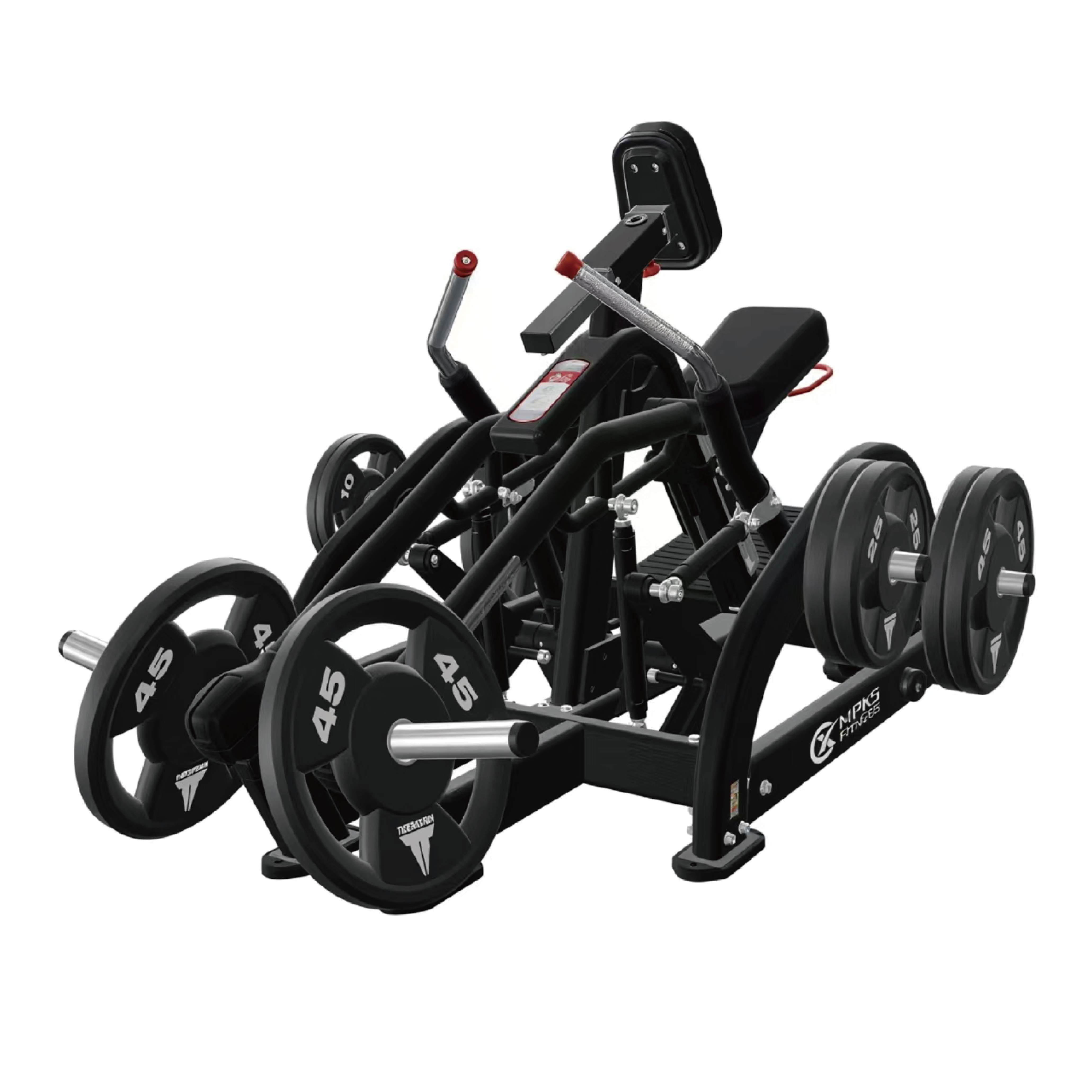
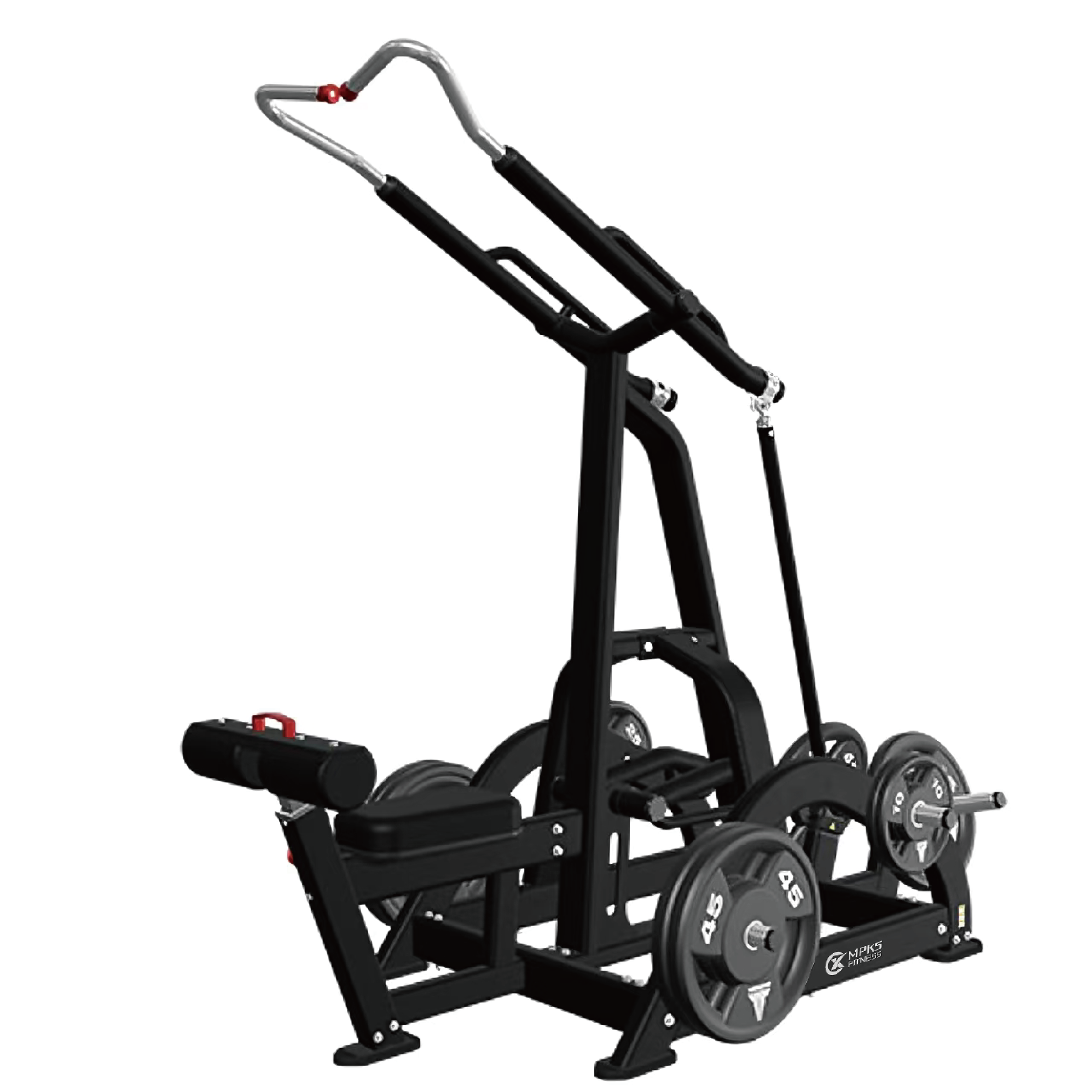
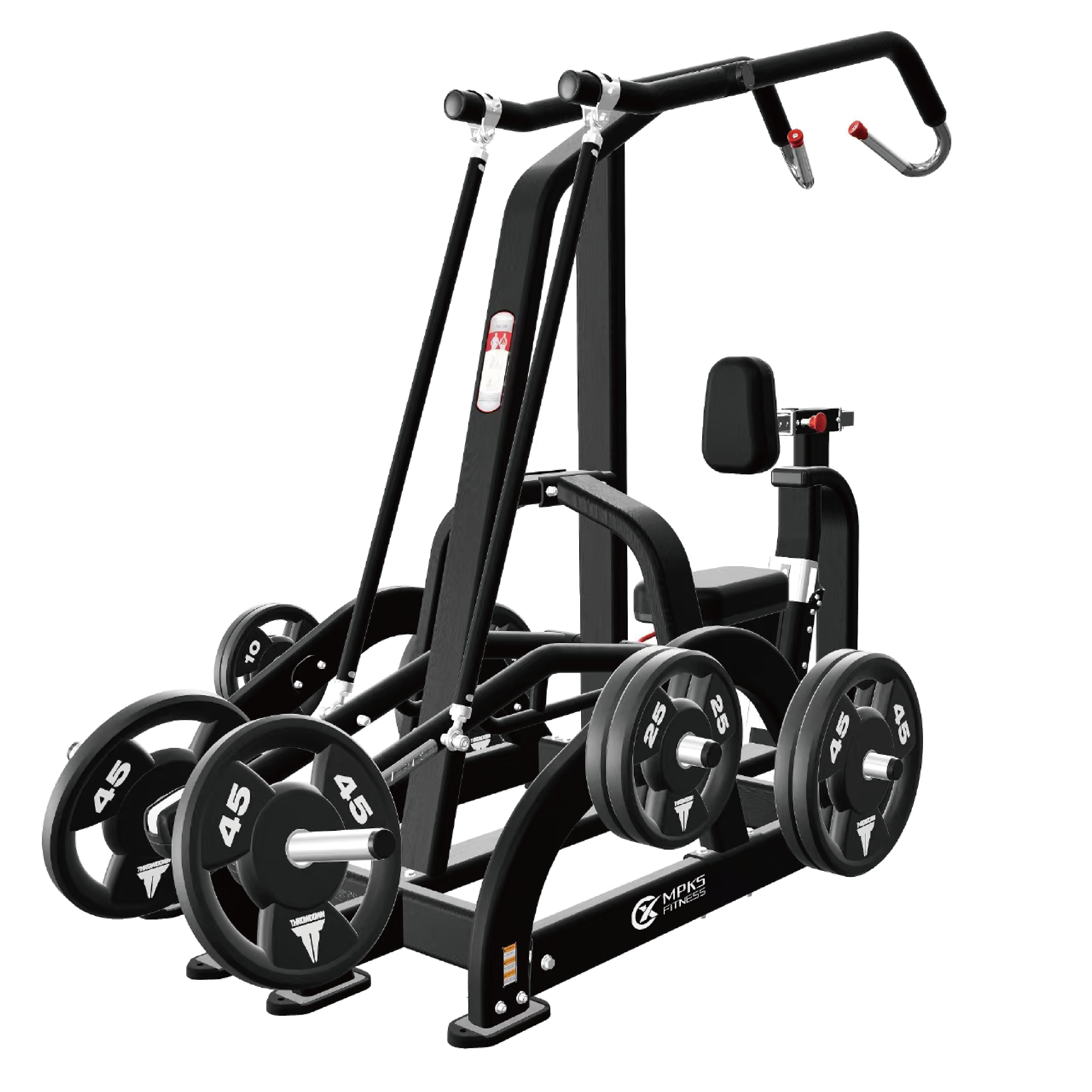
A back trainer represents an innovative fitness solution designed to strengthen and rehabilitate the muscles along your spine, shoulders, and lower back region. This specialized equipment addresses one of the most common health concerns in modern society: back pain and poor posture resulting from sedentary lifestyles and prolonged sitting. The back trainer combines ergonomic design principles with biomechanical engineering to provide targeted exercises that improve spinal alignment, enhance core stability, and build muscular endurance throughout the posterior chain. Modern back trainer devices incorporate adjustable resistance systems, allowing users to progressively increase workout intensity as their strength improves. The equipment typically features padded support surfaces that maintain proper spinal curvature during exercises, preventing injury while maximizing effectiveness. Many back trainer models integrate multiple exercise positions, enabling users to target different muscle groups including the erector spinae, latissimus dorsi, trapezius, and rhomboid muscles. The technological features often include angle adjustments, resistance bands or weight stack systems, and contoured padding that adapts to various body types. Some advanced back trainer units incorporate digital tracking systems that monitor repetitions, resistance levels, and workout duration, providing valuable feedback for progress assessment. The applications of a back trainer extend beyond simple fitness training to encompass therapeutic rehabilitation, posture correction, injury prevention, and athletic performance enhancement. Physical therapists frequently recommend back trainer exercises for patients recovering from spinal injuries or managing chronic back conditions. Office workers benefit from regular back trainer use by counteracting the negative effects of desk work, while athletes utilize this equipment to develop the foundational strength necessary for peak performance in their respective sports. The versatility of a back trainer makes it suitable for home gyms, rehabilitation centers, corporate wellness facilities, and professional athletic training environments.

New Product Releases

Using a back trainer delivers tangible improvements to your daily life by directly addressing the root causes of back discomfort and postural problems. You will experience reduced pain levels as the equipment strengthens the supporting muscles around your spine, taking pressure off compressed discs and strained ligaments. Regular sessions with a back trainer enhance your posture by retraining your body to maintain proper spinal alignment naturally, even when you are not exercising. This postural improvement translates into a more confident appearance and reduces the fatigue that comes from fighting against poor alignment throughout the day. The back trainer provides a safe environment for strengthening exercises because its structured design guides your movements along biomechanically sound paths, minimizing the risk of injury that can occur with free weight exercises. You gain convenience through compact designs that fit into home spaces without requiring an entire room dedicated to fitness equipment. The adjustable nature of most back trainer models means that every family member can use the same device by simply modifying settings to match their fitness level and body dimensions. Your investment in a back trainer pays dividends through improved athletic performance as a stronger back contributes to better power transfer in virtually every sport, from golf and tennis to running and swimming. You will notice enhanced functional fitness that makes everyday activities like lifting groceries, playing with children, or gardening significantly easier and less taxing on your body. The back trainer offers measurable progress tracking, allowing you to witness concrete improvements in your strength and endurance over weeks and months, which provides powerful motivation to maintain your exercise routine. You benefit from time efficiency because targeted back trainer exercises deliver results faster than generic workout routines that fail to focus on this critical muscle group. The equipment helps you prevent future injuries by building resilient muscles and improving flexibility, which creates a protective buffer against the strains and stresses of daily life. Your overall quality of life improves as reduced back pain leads to better sleep, increased energy levels, and greater participation in activities you enjoy. The back trainer serves as a proactive health tool rather than a reactive medical treatment, empowering you to take control of your physical wellbeing before problems become severe enough to require professional intervention.

Tips And Tricks

R&D New Products

02

Apr

R&D New Products

View More
The Chapter of Exhibition

06

Mar

The Chapter of Exhibition

View More
The Chapter of Team Building

06

Mar

The Chapter of Team Building

View More
Changxu Strengthens Market Leadership with Successful Debut at China Sports Expo in Nanchang

22

Sep

Changxu Strengthens Market Leadership with Successful Debut at China Sports Expo in Nanchang

View More

Get a Free Quote

Our representative will contact you soon.
Email
WhatsApp/Tel
Which category interests you most
Company Name
Message
0/1000

back trainer

Targeted Spinal Support and Muscle Development

Targeted Spinal Support and Muscle Development

The back trainer excels at providing precise targeting of the intricate network of muscles responsible for spinal stability and movement control. Unlike generic exercise equipment that engages multiple muscle groups simultaneously without specific focus, the back trainer isolates the erector spinae, multifidus, and other deep stabilizing muscles that directly support your vertebral column. This targeted approach proves essential because these muscles often remain underdeveloped in people who lead sedentary lifestyles, creating a fundamental weakness that manifests as chronic pain, susceptibility to injury, and progressive postural deterioration. The engineering behind an effective back trainer ensures that resistance applies along vectors that match the natural biomechanics of spinal extension and rotation, recruiting muscle fibers in patterns that translate directly to functional strength improvements. When you perform exercises on a back trainer, the equipment maintains your pelvis in a stable position while allowing controlled movement through your thoracic and lumbar spine, which teaches your nervous system the proper motor patterns for safe lifting and bending in real-world situations. The progressive resistance capabilities built into quality back trainer models enable you to start at comfortable levels if you are recovering from injury or new to exercise, then gradually increase challenge as your muscles adapt and strengthen. This scalability makes the back trainer suitable for rehabilitation patients working with physical therapists as well as serious athletes seeking to eliminate weak links in their kinetic chains. The padded contact points on a back trainer distribute pressure evenly across your body, preventing the discomfort and bruising that can occur with poorly designed equipment, which means you can focus entirely on muscle engagement rather than managing pain from hard edges or inadequate cushioning. The spinal support features incorporated into back trainer designs maintain the natural curves of your cervical, thoracic, and lumbar regions throughout the exercise range of motion, which reinforces healthy movement patterns rather than allowing compensatory motions that could reinforce dysfunction. By consistently using a back trainer with proper form, you develop not just stronger muscles but also improved neuromuscular coordination that enhances your body awareness and movement quality in all activities.
Versatile Rehabilitation and Prevention Applications

Versatile Rehabilitation and Prevention Applications

The back trainer functions as a dual-purpose solution that addresses both rehabilitation needs for existing back problems and prevention strategies for individuals seeking to avoid future issues. Physical therapists and chiropractors frequently incorporate back trainer exercises into treatment protocols because the controlled environment allows patients to safely rebuild strength following injuries, surgeries, or episodes of acute back pain. The equipment provides a structured progression pathway that begins with gentle range-of-motion exercises and advances through increasing resistance levels as healing progresses and functional capacity improves. For patients recovering from herniated discs, muscle strains, or postural syndrome, the back trainer offers a way to strengthen supporting musculature without placing excessive load on vulnerable tissues. The adjustable settings accommodate individual limitations, ensuring that therapeutic exercises remain within safe parameters while still providing sufficient stimulus for tissue adaptation and strengthening. Beyond rehabilitation, the back trainer serves as a powerful preventive tool for individuals whose occupations or lifestyles place them at elevated risk for back problems. Office workers who spend hours hunched over computers benefit enormously from back trainer exercises that counteract the forward head posture and rounded shoulder position that develops from prolonged sitting. Construction workers, nurses, warehouse employees, and others whose jobs involve repetitive lifting or sustained awkward positions can use the back trainer to build resilience against the cumulative microtrauma that eventually results in injury. Parents of young children find that regular back trainer use prepares their bodies for the physical demands of constantly lifting, carrying, and bending while caring for their families. The prevention aspect extends to older adults seeking to maintain independence and mobility as they age, since strong back muscles prove essential for balance, fall prevention, and the ability to perform daily living activities without assistance. The back trainer accommodates various exercise positions, including prone extensions, seated rows, and supported rotations, which means a single piece of equipment can address multiple aspects of back health comprehensively. This versatility makes the back trainer cost-effective compared to purchasing separate machines for different muscle groups or movement patterns. The therapeutic value of a back trainer multiplies when users learn proper exercise technique, which carries over into improved body mechanics during everyday activities, creating a positive feedback loop where exercise benefits and functional improvements reinforce each other.
Space-Efficient Design with Professional-Grade Results

Space-Efficient Design with Professional-Grade Results

The back trainer achieves an impressive balance between compact footprint and comprehensive functionality, delivering professional-quality workouts without requiring the space commitment of a full home gym setup. Engineers have designed modern back trainer equipment to maximize utility while minimizing the floor space required, making it practical for apartment dwellers, home office conversions, and other space-constrained environments. The typical back trainer occupies less area than a standard exercise bench yet provides targeted training capabilities that would otherwise require multiple pieces of equipment. Many models feature foldable designs or vertical storage options that further reduce their spatial impact when not in use, addressing one of the primary barriers that prevents people from maintaining consistent home exercise routines. Despite their space-efficient profiles, quality back trainer devices do not compromise on stability or weight capacity, incorporating reinforced frames and wide base designs that remain secure during intense exercise sessions. The professional-grade results achievable with a back trainer stem from the precision with which these devices replicate movements performed on expensive rehabilitation and training equipment found in clinical and athletic facilities. The resistance mechanisms employed in back trainer construction range from traditional weight stacks to innovative hydraulic systems, resistance bands, and adjustable friction mechanisms, each engineered to provide smooth resistance curves that match muscle force production capabilities throughout the range of motion. This attention to biomechanical detail ensures that your muscles receive optimal stimulus for strength development and endurance improvement, generating results comparable to working with a personal trainer or physical therapist. The construction quality of reputable back trainer models includes commercial-grade upholstery that resists wear from repeated use, corrosion-resistant hardware that maintains smooth operation over years of service, and reinforced stress points that prevent the premature failure common in cheaply manufactured fitness equipment. Your investment in a properly constructed back trainer provides long-term value through durability and sustained performance, eliminating the need for replacement or upgrade purchases. The space efficiency of a back trainer becomes particularly valuable when you consider the alternative approaches to back strengthening, which typically involve floor exercises that offer limited resistance or gym memberships that require travel time and monthly fees. By bringing professional-quality back training into your home within a compact footprint, the back trainer removes barriers to consistency and makes it realistic to maintain the regular exercise frequency necessary for meaningful improvements in strength, pain reduction, and postural alignment.
Back Trainer: Professional Posture Correction and Spinal Strengthening Equipment for Home and Clinical Use

Get a Free Quote

Our representative will contact you soon.
Email
WhatsApp/Tel
Which category interests you most
Company Name
Message
0/1000