Versatile Applications Across Multiple Fitness and Rehabilitation Goals
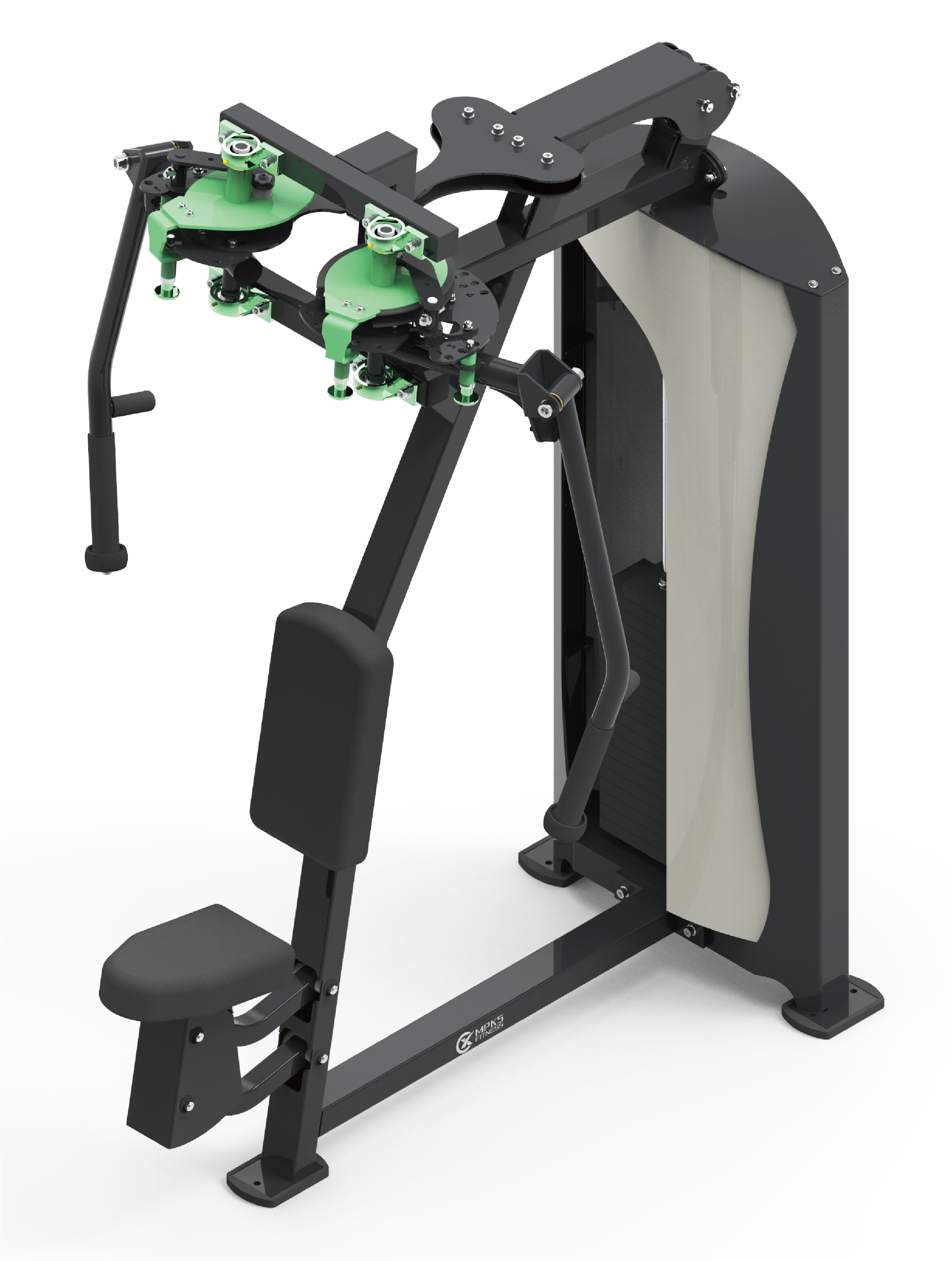
The thigh press demonstrates remarkable versatility in addressing diverse training objectives, making it equally valuable in commercial fitness centers, sports performance facilities, medical rehabilitation clinics, and home workout spaces. For bodybuilders and physique athletes, this equipment provides the precise isolation necessary to develop the inner and outer thigh muscles that contribute to balanced leg aesthetics and complete lower body development. The ability to perform high-repetition sets with controlled form makes it ideal for achieving the metabolic stress and muscle pump that drive hypertrophy adaptations. Athletes from sports requiring lateral movement, such as basketball, soccer, tennis, and hockey, benefit from the functional strength gains in hip adduction and abduction that directly translate to improved performance in cutting, pivoting, and defensive positioning. The thigh press allows these athletes to overload these movement patterns beyond what sport-specific training alone can provide, creating strength reserves that enhance on-field capabilities. In rehabilitation settings, physical therapists utilize the thigh press as a cornerstone tool for patients recovering from hip replacements, ACL reconstructions, meniscus repairs, and various lower extremity injuries. The controlled environment and adjustable resistance permit gradual progression from initial mobility work through full strength restoration, with the stability of the machine reducing re-injury risk during the vulnerable recovery phases. Elderly populations find particular value in the thigh press for maintaining the hip strength essential for balance, fall prevention, and independent living. The simple operation and safe design make it accessible for seniors who might struggle with more complex exercises or equipment. The thigh press also serves corrective exercise purposes, helping to address common muscular imbalances such as dominant quadriceps with underdeveloped adductors, or weak hip abductors leading to knee valgus during functional movements. Personal trainers incorporate this equipment into comprehensive programming for clients with goals ranging from general fitness and weight loss to post-pregnancy recovery and injury prevention. The machine's ability to accommodate various training methodologies, including traditional strength protocols, time-under-tension techniques, and plyometric-style explosive movements on certain models, expands its utility across different training philosophies and periodization schemes. Home users appreciate the space efficiency and straightforward operation that allows them to perform effective leg workouts without requiring extensive equipment collections or specialized knowledge.


 EN
EN