Versatile Resistance Systems Accommodating Progressive Training Protocols
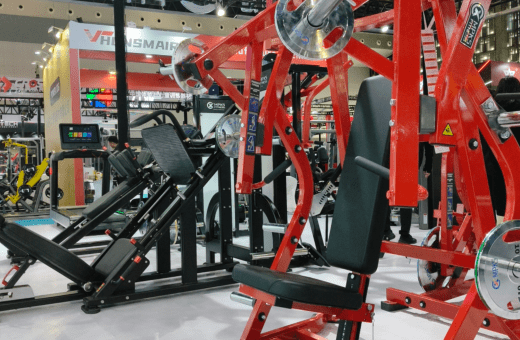
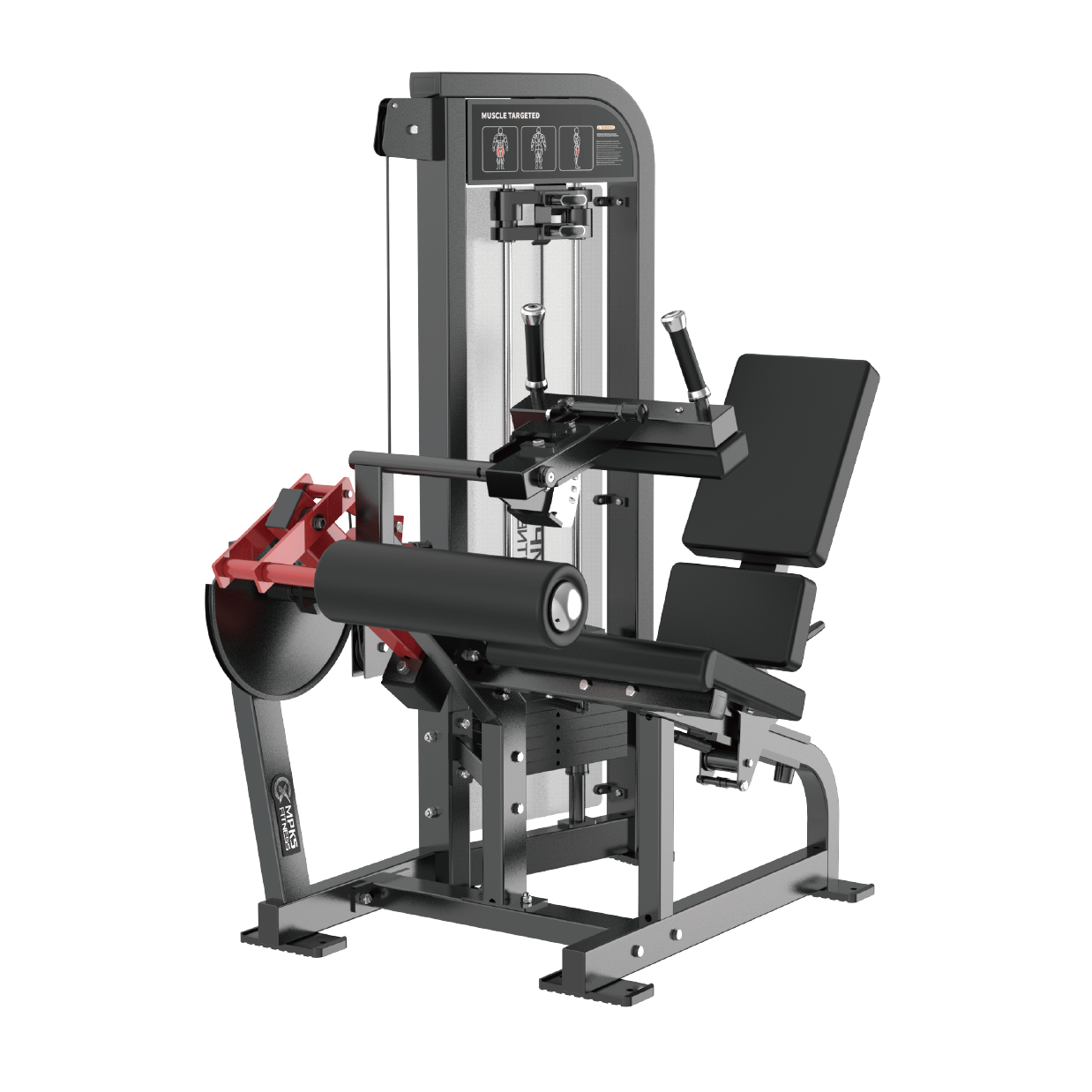
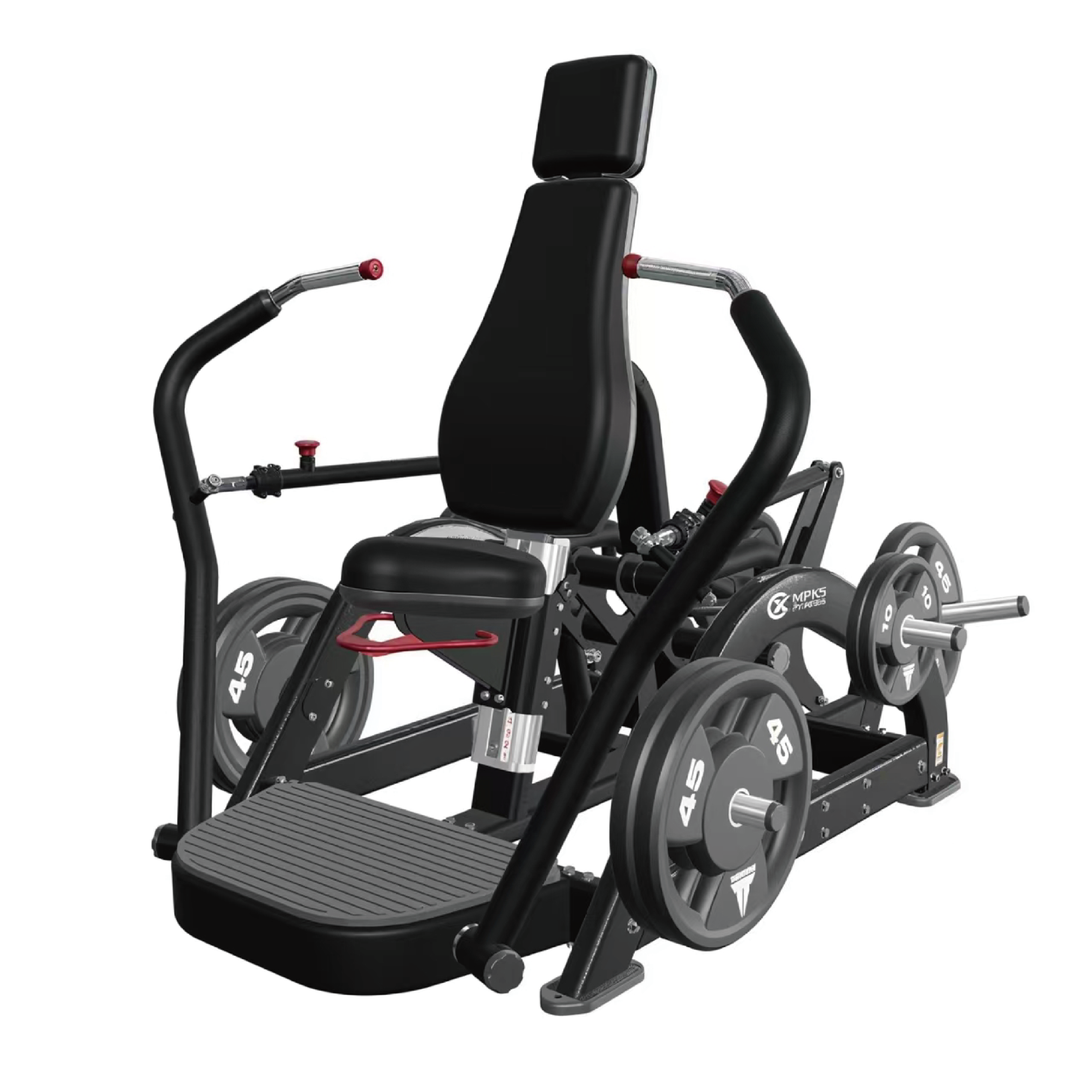
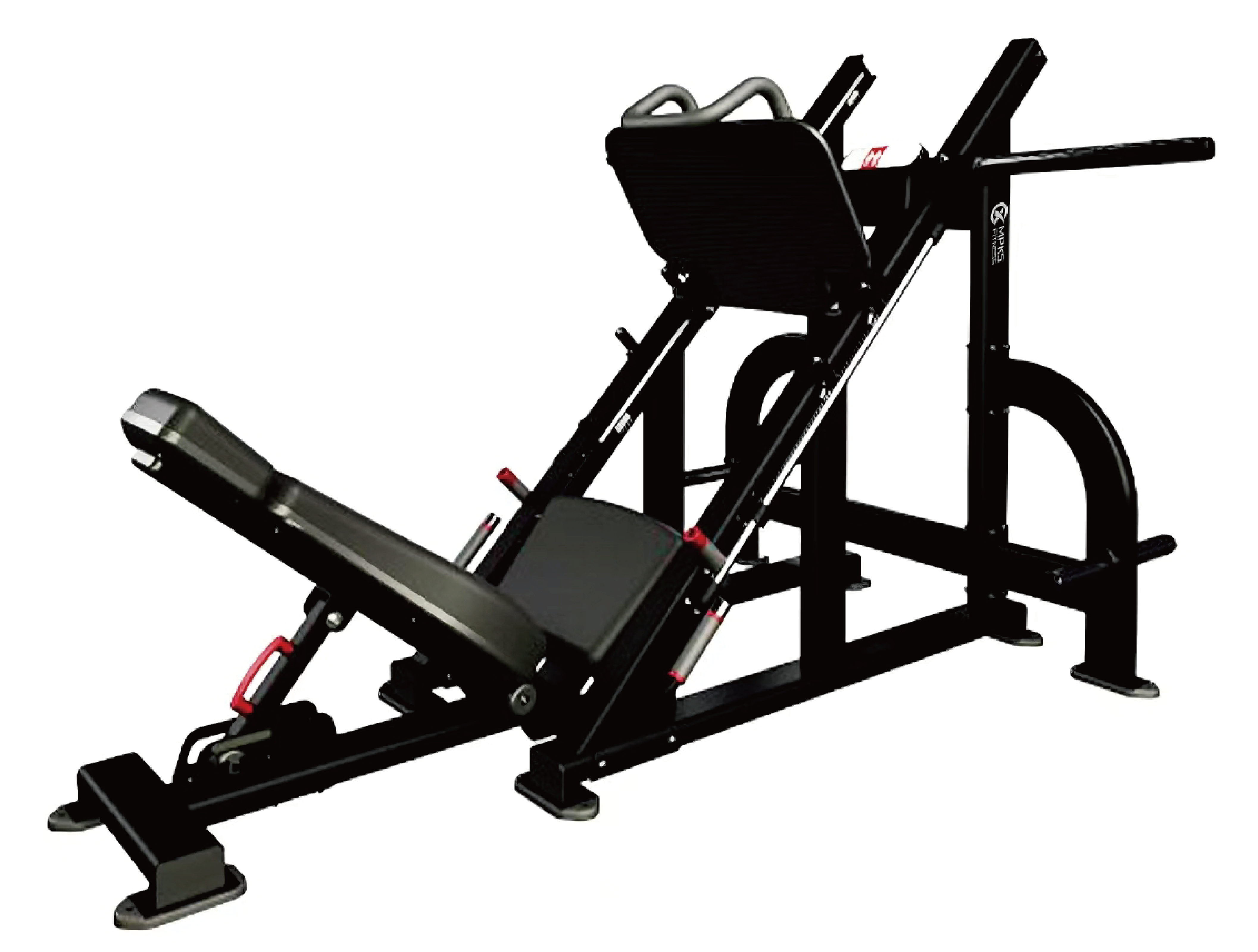
The resistance mechanisms integrated into gym equipment leg extension machines demonstrate remarkable versatility, accommodating diverse training protocols that support continuous strength development and adaptation. Traditional weight stack systems remain popular in commercial settings, featuring rectangular steel plates connected through a central guide rod, with a selector pin allowing instant resistance changes typically ranging from ten to three hundred pounds in small increments. This configuration enables quick adjustments between sets, facilitating rest-pause training, pyramid schemes, and circuit-style workouts where timing precision matters. The magnetic resistance selection systems found in premium gym equipment leg extension models eliminate friction between weight plates, creating smoother movement throughout the repetition and reducing mechanical wear that extends equipment lifespan. Some advanced machines incorporate electromagnetic resistance adjustment with digital controls, allowing users to modify challenge levels without leaving the seated position, which proves valuable during high-intensity training protocols requiring rapid transitions. Plate-loaded gym equipment leg extension alternatives appeal to strength purists and facility owners seeking equipment with minimal maintenance requirements, as these designs eliminate cables, pulleys, and weight stacks in favor of Olympic plate horns that accept standard weight discs. The plate-loaded approach offers virtually unlimited resistance potential, limited only by available weight plates, making these machines ideal for advanced strength athletes whose capabilities exceed standard stack weights. Certain manufacturers integrate dual-axis loading systems on their gym equipment leg extension equipment, allowing users to add plates on both sides of the machine for balanced resistance distribution and higher maximum loads. The resistance progression capabilities extend beyond simple weight increases, as thoughtful users can manipulate training variables like repetition tempo, time under tension, and range of motion limitations to continue driving adaptations even when approaching maximum available resistance. The mechanical advantage variations created by adjusting seat position relative to the pivot point effectively modify resistance curves without changing actual weight, providing another progression tool for sophisticated training programs.


 EN
EN