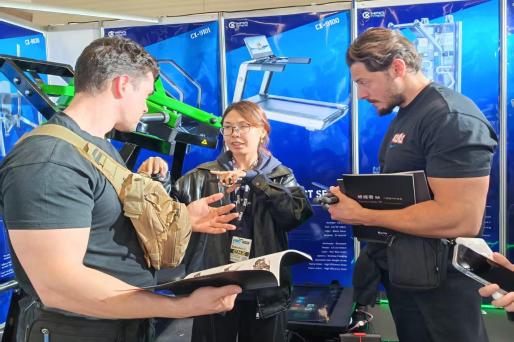
Precision Muscle Targeting Through Biomechanical Engineering
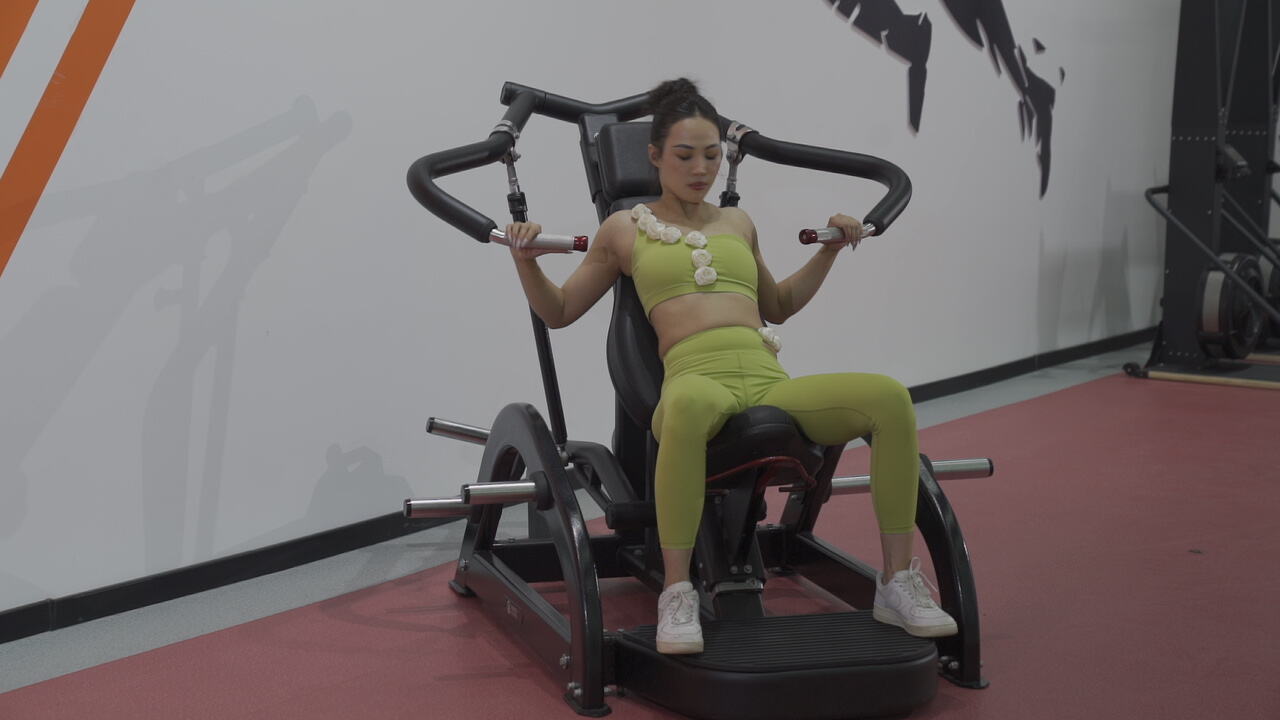
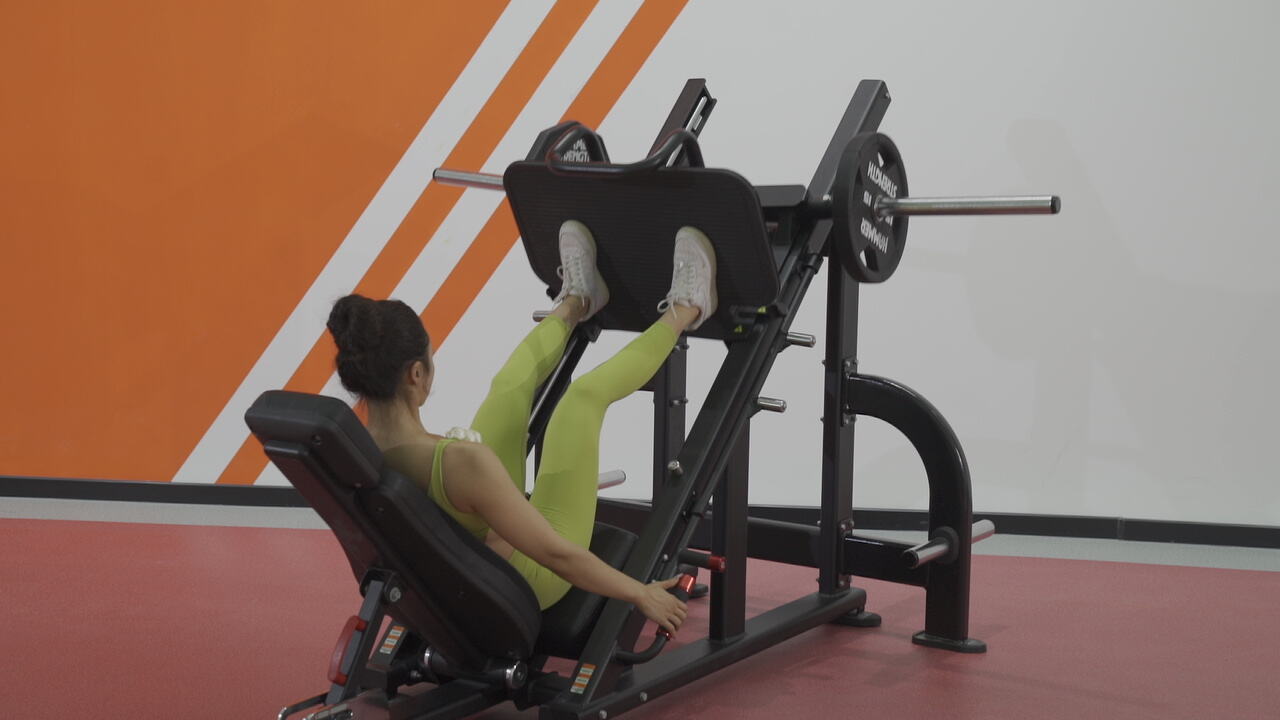
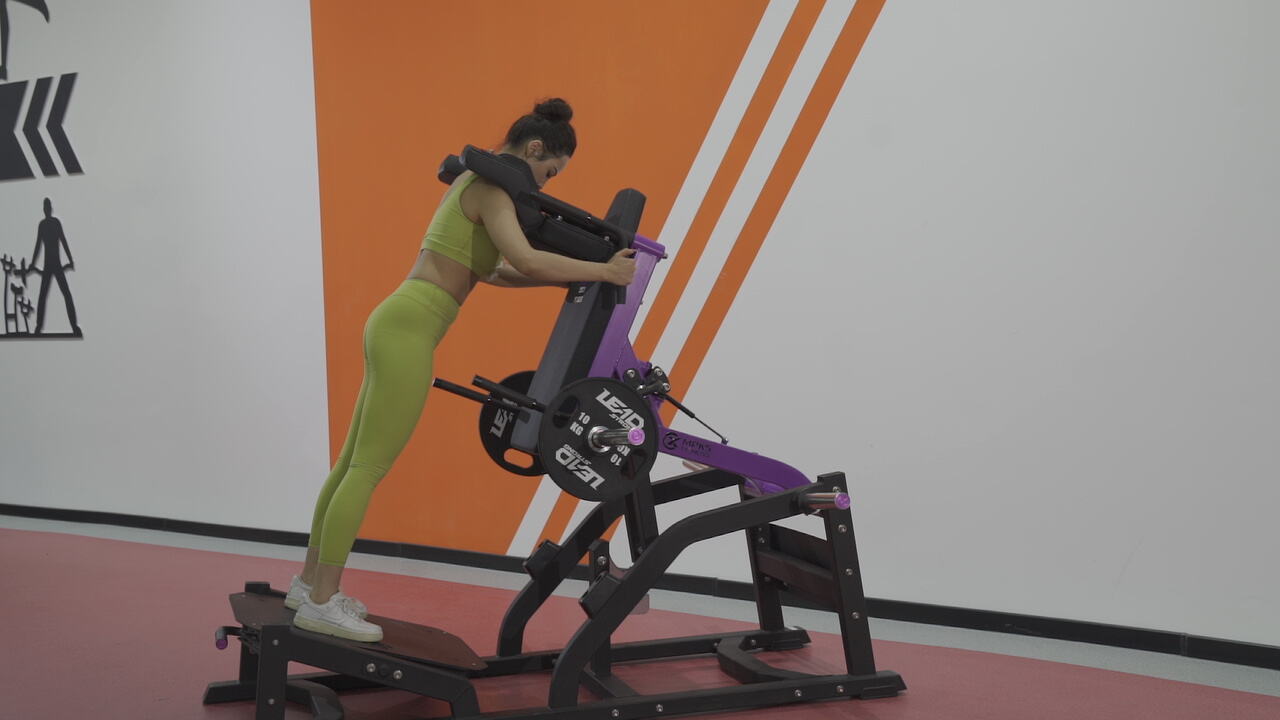
The sophisticated engineering behind power workout equipment delivers unparalleled precision in muscle targeting, a feature that sets these systems apart from traditional training methods. Through extensive biomechanical research and anatomical analysis, manufacturers have developed movement patterns that align perfectly with natural joint articulation and muscle fiber orientation. This scientific approach ensures that when users perform exercises on power workout equipment, the resistance vector consistently challenges the intended muscle group throughout the entire range of motion. The cable and pulley systems, cam-based resistance curves, and guided weight stack configurations eliminate the variable resistance challenges that occur with free weights due to gravitational changes at different positions. This consistent tension creates what exercise physiologists call constant tension time under load, which maximizes muscle fiber recruitment and metabolic stress, two critical factors for strength development and hypertrophy. The precision offered by power workout equipment becomes particularly valuable for isolation work, where users need to target specific muscles that may be lagging in development or require rehabilitation attention. The stabilization provided by seats, backrests, and handles allows complete focus on contracting and extending the working muscle without energy expenditure on balance maintenance. This isolation capability proves essential for bodybuilders sculpting specific physique areas, athletes addressing muscular imbalances that affect performance, and rehabilitation patients rebuilding strength in compromised areas. Furthermore, the biomechanical optimization built into power workout equipment accounts for leverage changes throughout movements, often incorporating variable resistance technologies that match natural strength curves. Human muscles produce different force outputs at various joint angles, and advanced power workout equipment compensates for these variations, ensuring optimal challenge throughout complete repetitions. This intelligent resistance management prevents the common problem of exercises being too difficult at certain positions and too easy at others, which limits overall effectiveness. The guided nature of power workout equipment also enables users to safely approach muscular failure, the point where no additional repetitions are possible, without requiring spotters or safety concerns about dropping weights. This capability to train to complete fatigue maximizes adaptation signals and strength gains that might otherwise remain inaccessible to solo trainers.


 EN
EN