Complete Full-Body Training in Minimal Space
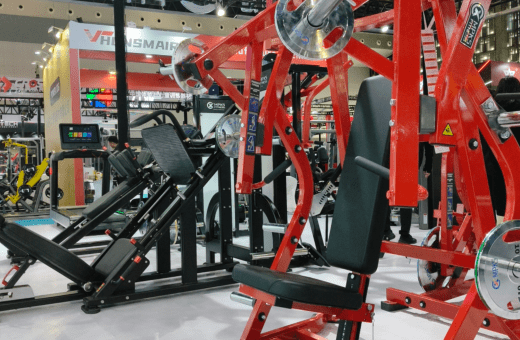
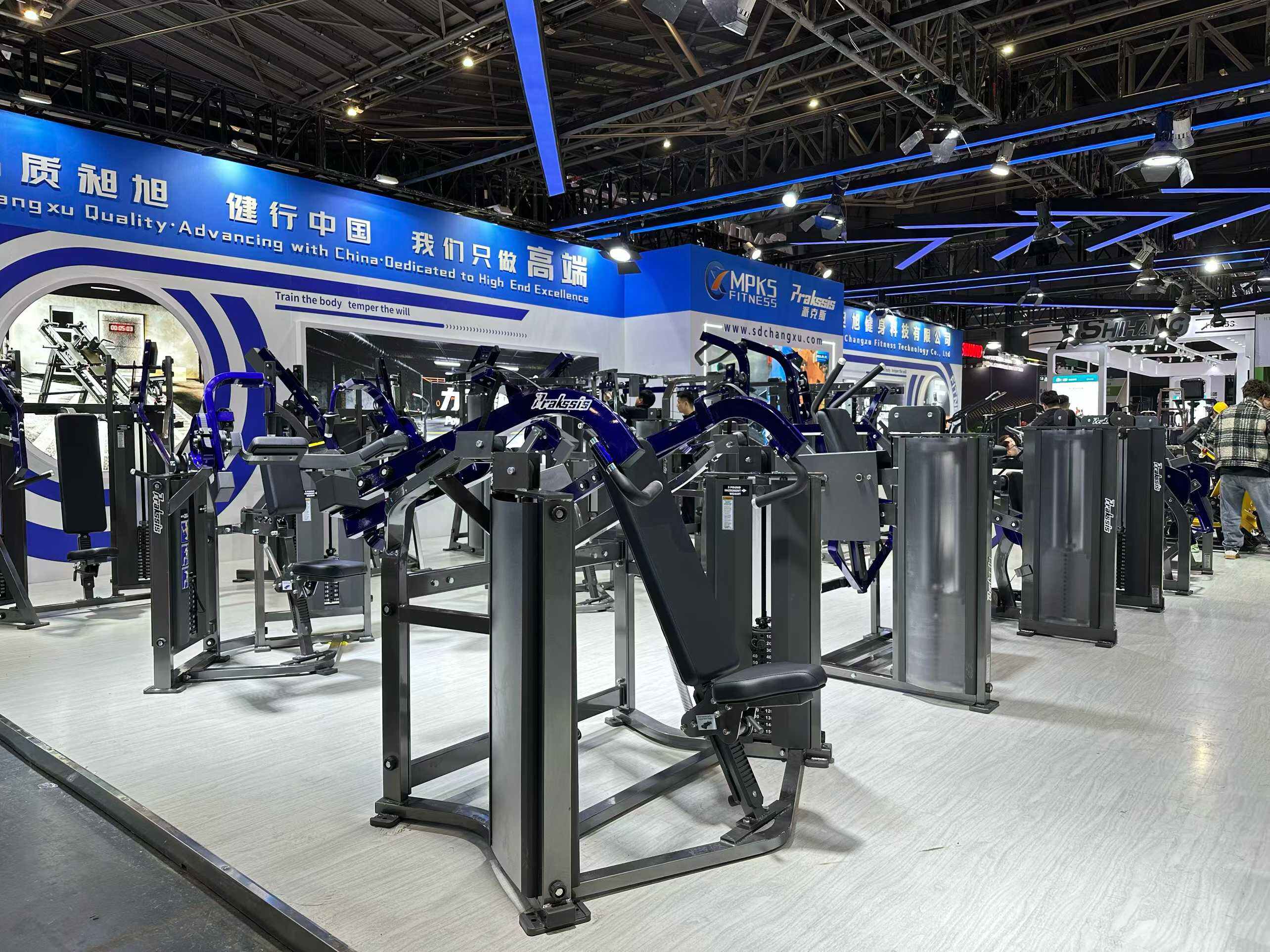
The space-saving design of multi station workout equipment addresses one of the most significant challenges facing fitness enthusiasts and facility managers: achieving comprehensive training capabilities without requiring expansive floor areas. Traditional gym setups demand separate machines for chest, back, legs, shoulders, and arms, each consuming valuable square footage and creating crowded, inefficient workout environments. Multi station workout equipment revolutionizes this approach by stacking multiple functions vertically and arranging stations around a central weight stack system, effectively condensing what would normally require two hundred to three hundred square feet into a footprint of just sixty to eighty square feet. This engineering achievement proves particularly valuable for home gym owners working with spare bedrooms, garage spaces, or basement areas where every square foot matters. Apartment dwellers and condominium residents discover that multi station workout equipment fits comfortably in spaces where individual machines would be impossible to accommodate. Commercial facilities benefit equally, as property managers can offer comprehensive fitness amenities in smaller dedicated spaces, reducing rental costs while still attracting quality tenants. Hotels and corporate wellness centers maximize their return on limited fitness room square footage by installing multi station workout equipment that serves diverse guest needs without requiring large dedicated gym areas. The compact integration does not compromise exercise variety or effectiveness; users can perform chest presses, butterfly movements, lat pulldowns, seated rows, leg extensions, leg curls, shoulder presses, tricep pushdowns, bicep curls, and ab crunches all from different positions around the same equipment. The thoughtful station arrangement ensures users can move fluidly from one exercise to the next, maintaining workout intensity and cardiovascular elevation throughout their training session. Weight stack sharing between stations reduces overall equipment weight and cost while maintaining independent functionality at each position. This intelligent design means that in commercial settings, multiple users can train simultaneously on different stations without interference, dramatically improving facility capacity and user satisfaction during peak hours.


 EN
EN