Versatile Training Applications for Diverse Fitness Goals
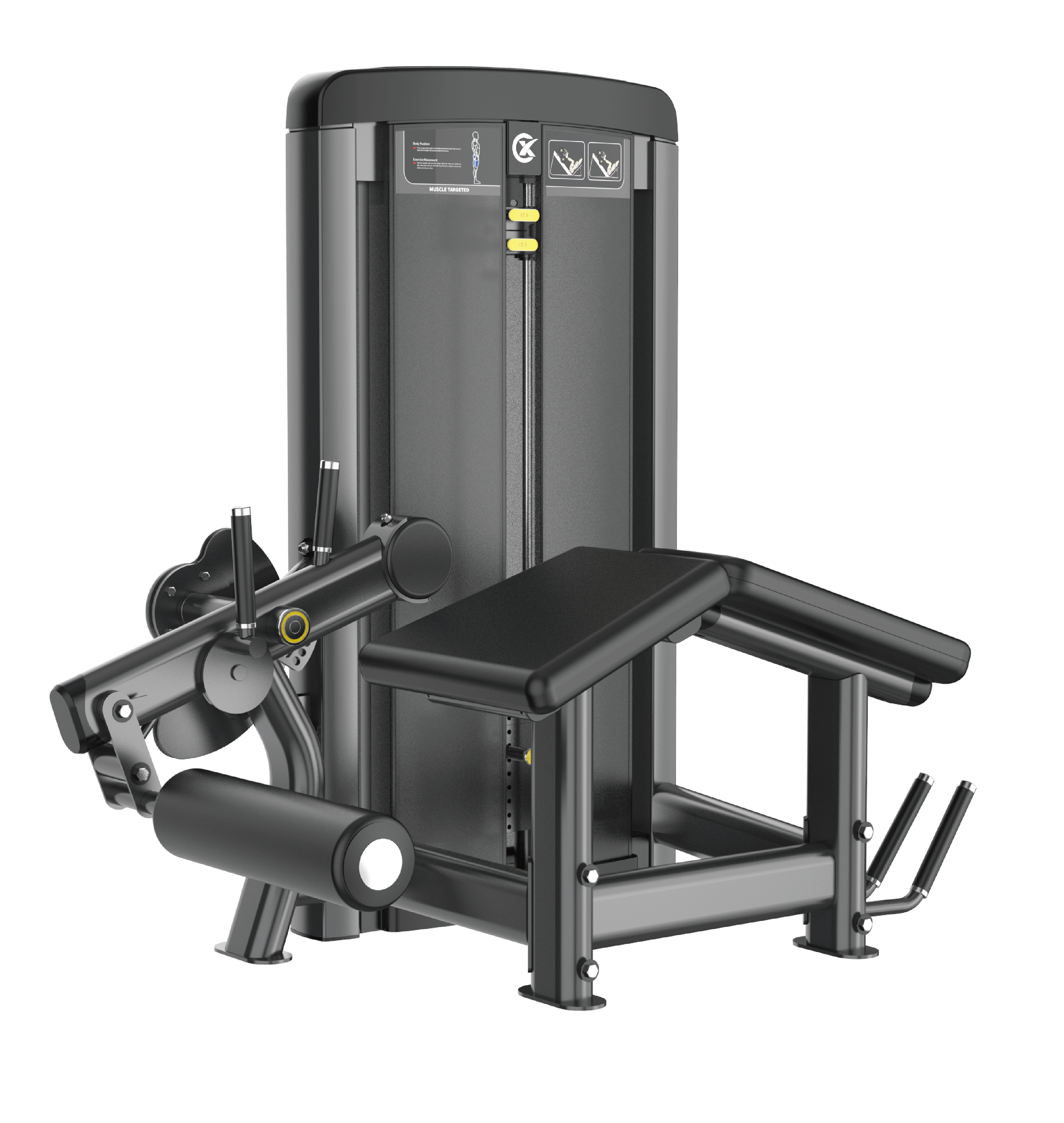
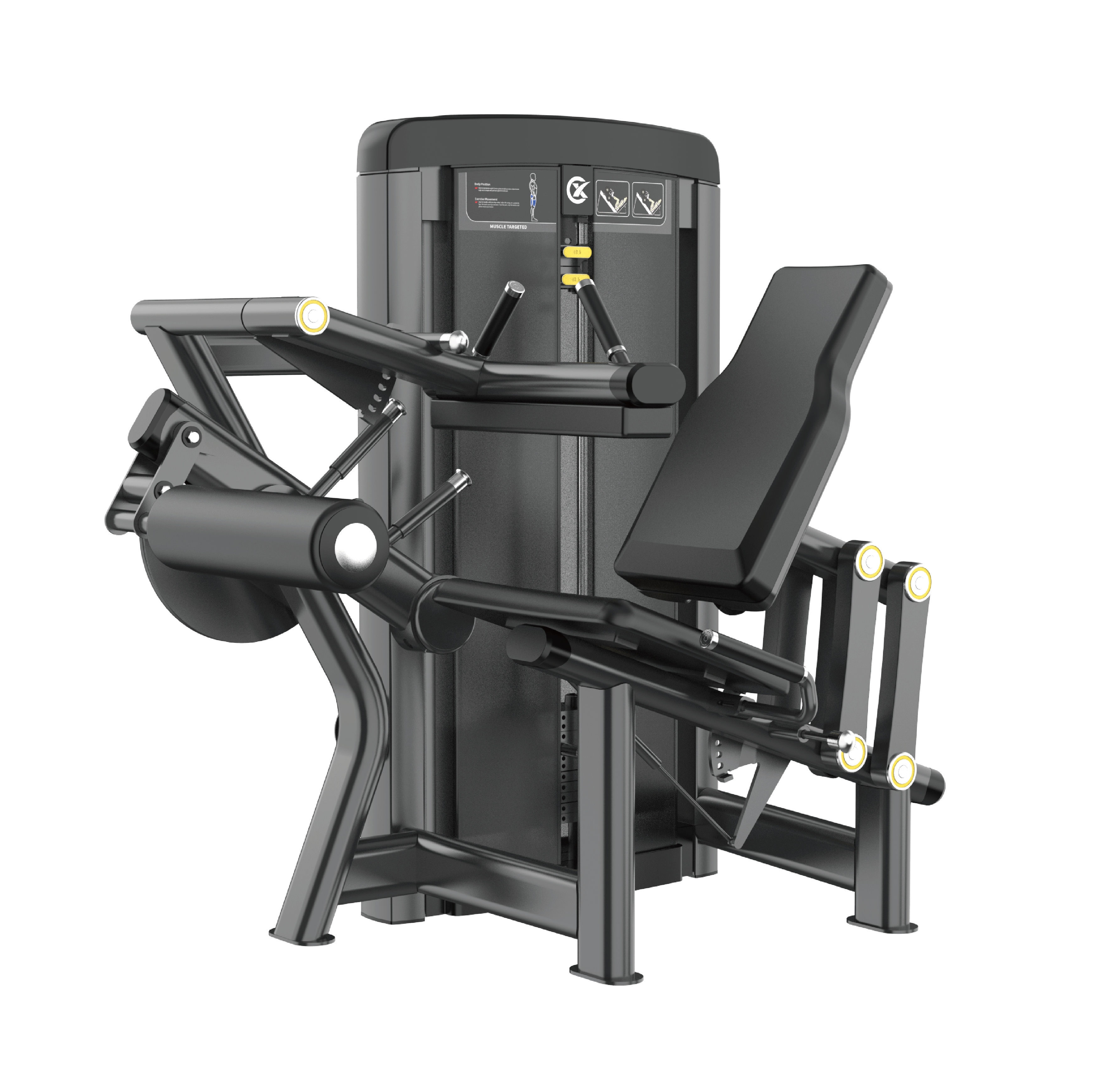
The hamstring leg machine demonstrates remarkable versatility in supporting various training objectives, from athletic performance enhancement to aesthetic muscle development to therapeutic rehabilitation protocols. Athletes across numerous sports disciplines incorporate this equipment into their strength and conditioning programs to develop the powerful hamstrings essential for explosive movements, with sprinters using it to build the rapid-fire muscle contractions needed for maximum acceleration, and basketball players developing the hamstring strength required for sudden direction changes and vertical jumping. The ability to perform both heavy, low-repetition sets for maximal strength development and lighter, high-repetition protocols for muscular endurance gives trainers and athletes flexibility in periodizing training programs to match competitive schedules and performance peaks. Bodybuilders and physique competitors value the hamstring leg machine for its unmatched ability to isolate and sculpt the back of the thigh, creating the defined separation and sweep that judges reward on competition stages. The constant tension provided throughout the movement keeps blood flowing into the muscle, producing the coveted pump that stretches the muscle fascia and creates an environment conducive to hypertrophy. Rehabilitation specialists rely heavily on hamstring leg machines during the recovery process from various lower body injuries, as the controlled environment allows precise load management critical for healing tissues. Physical therapists can start patients with minimal resistance to promote blood flow and maintain neuromuscular connection during early healing phases, then systematically increase loads as tissue strength improves, following evidence-based progression protocols. The machine proves equally valuable for prevention programs designed to reduce injury risk, with research showing that stronger hamstrings significantly decrease the likelihood of ACL tears and hamstring strains. Fitness enthusiasts pursuing general health and wellness goals find the hamstring leg machine accessible and effective for developing balanced leg strength that supports daily activities like walking, climbing stairs, and lifting objects from the ground. Older adults particularly benefit from hamstring strengthening, as these muscles play crucial roles in maintaining gait stability and preventing falls that could result in serious injury. Personal trainers appreciate the machine's straightforward operation when working with multiple clients in succession, as minimal setup adjustments allow efficient transitions between individuals with different training needs and fitness levels. The psychological advantages of machine training also deserve recognition, as many users feel more confident and comfortable using equipment with guided movements compared to free weights that require greater skill and carry higher perceived risk. This confidence encourages consistency and intensity in training, ultimately leading to better long-term results. Group fitness settings benefit from having hamstring leg machines available, as instructors can incorporate leg strengthening stations into circuit training formats that keep participants moving through varied exercises. The quantifiable nature of machine training, where users can easily track the specific weight and repetitions performed, provides concrete feedback that facilitates goal setting and progress monitoring, key factors in maintaining motivation over extended training periods.


 EN
EN