leg press squat
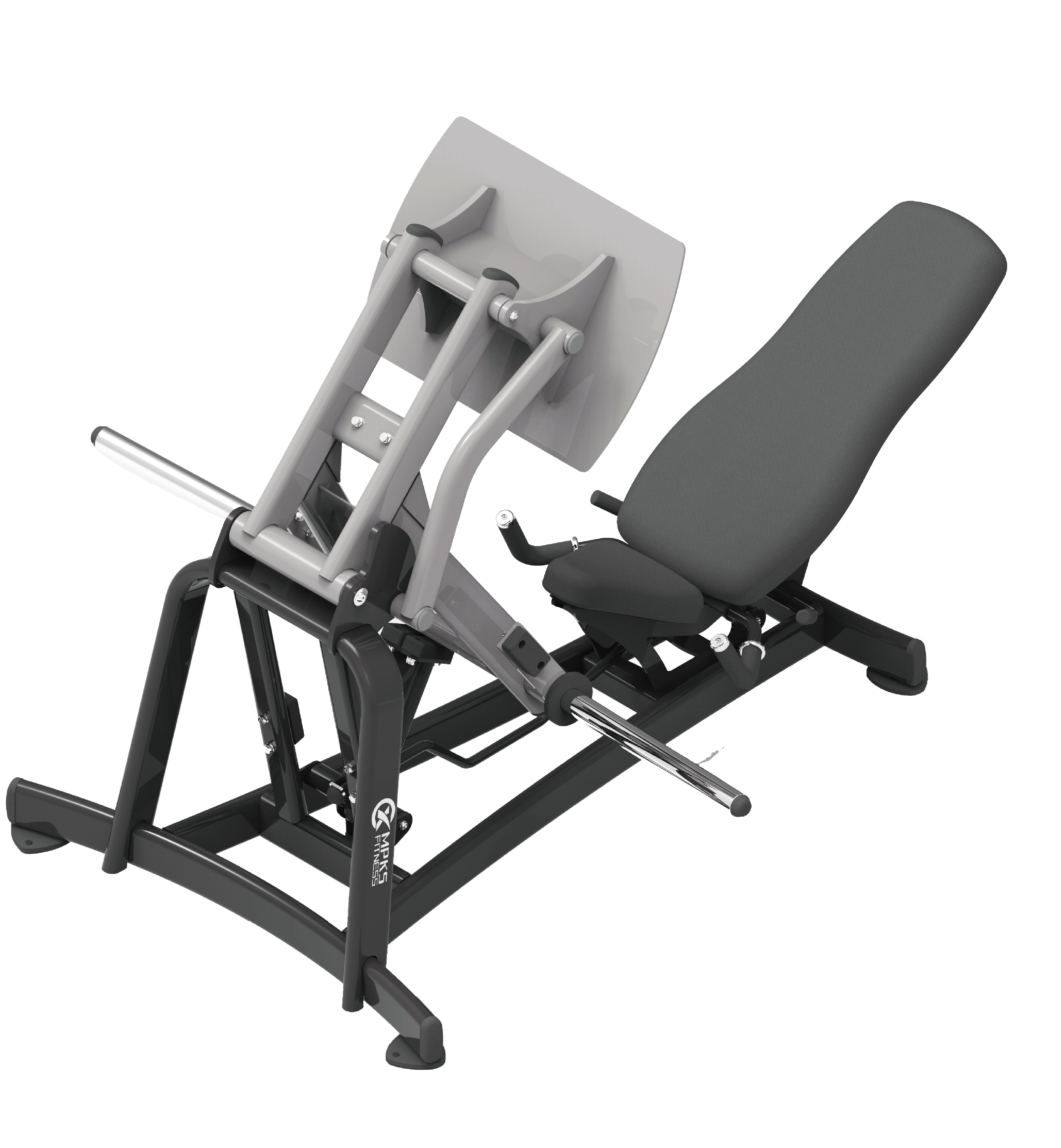
The leg press squat represents a fundamental piece of strength training equipment designed to target the lower body muscle groups with exceptional precision and safety. This sophisticated machine combines the biomechanical principles of traditional squatting movements with controlled resistance training, creating an environment where users can build substantial leg strength without the balance demands of free-weight exercises. The leg press squat machine features a seated or reclined position where users push a weighted platform away from their body using their legs, engaging the quadriceps, hamstrings, glutes, and calves in a coordinated movement pattern. Modern leg press squat equipment incorporates adjustable weight stacks or plate-loading systems that accommodate users ranging from beginners to advanced athletes. The machine's design includes a backrest that provides lumbar support, footplate positioning options for varying muscle emphasis, and safety mechanisms that prevent excessive range of motion. Commercial-grade leg press squat machines are constructed from heavy-duty steel frames with reinforced welding points to withstand repeated high-load training sessions. The equipment typically features ergonomic padding made from high-density foam covered with durable vinyl or leather materials that resist wear and moisture. Technological advancements have introduced biomechanically optimized sled angles, commonly set between 45 and 60 degrees, which maximize muscle recruitment while minimizing joint stress. The leg press squat serves multiple fitness applications including muscle hypertrophy programs, rehabilitation protocols, sports performance enhancement, and general fitness conditioning. Its controlled movement path makes it particularly valuable for individuals recovering from injuries or those with balance limitations who cannot safely perform traditional barbell squats. The machine's versatility extends to accommodate various foot positions that shift emphasis between muscle groups, allowing users to target specific areas of the lower body with strategic placement adjustments.


 EN
EN