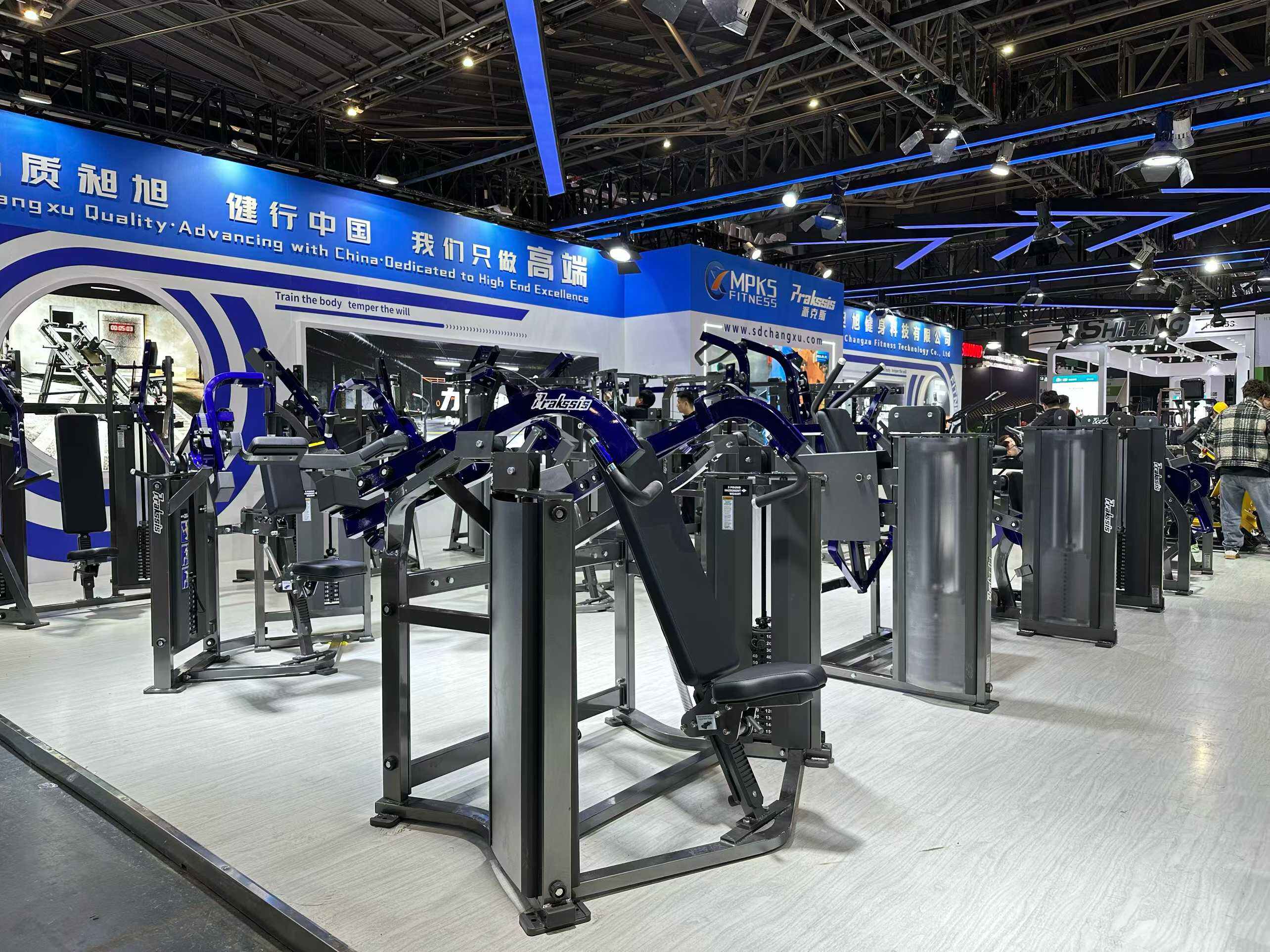
plate loaded exercise equipment
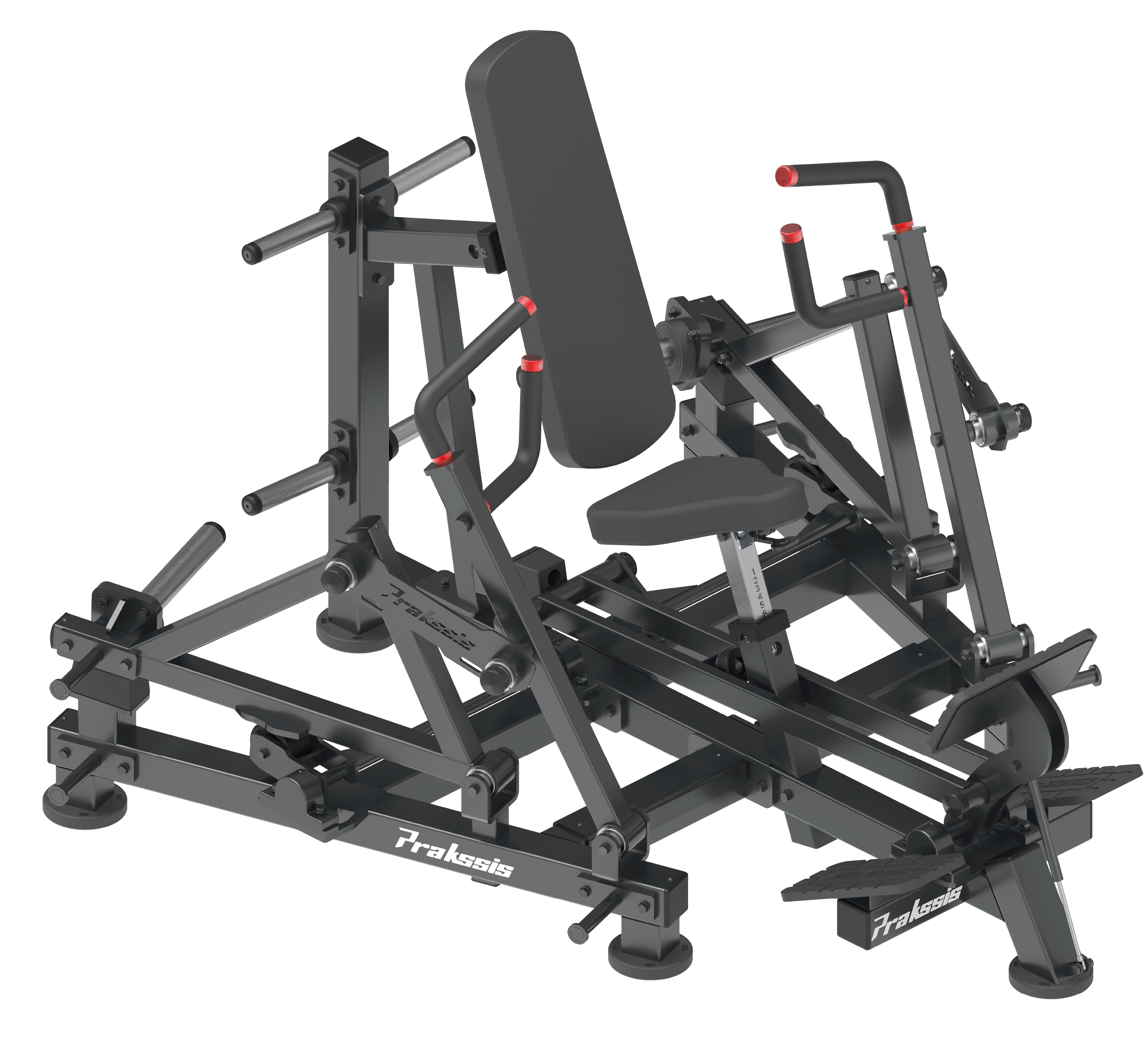
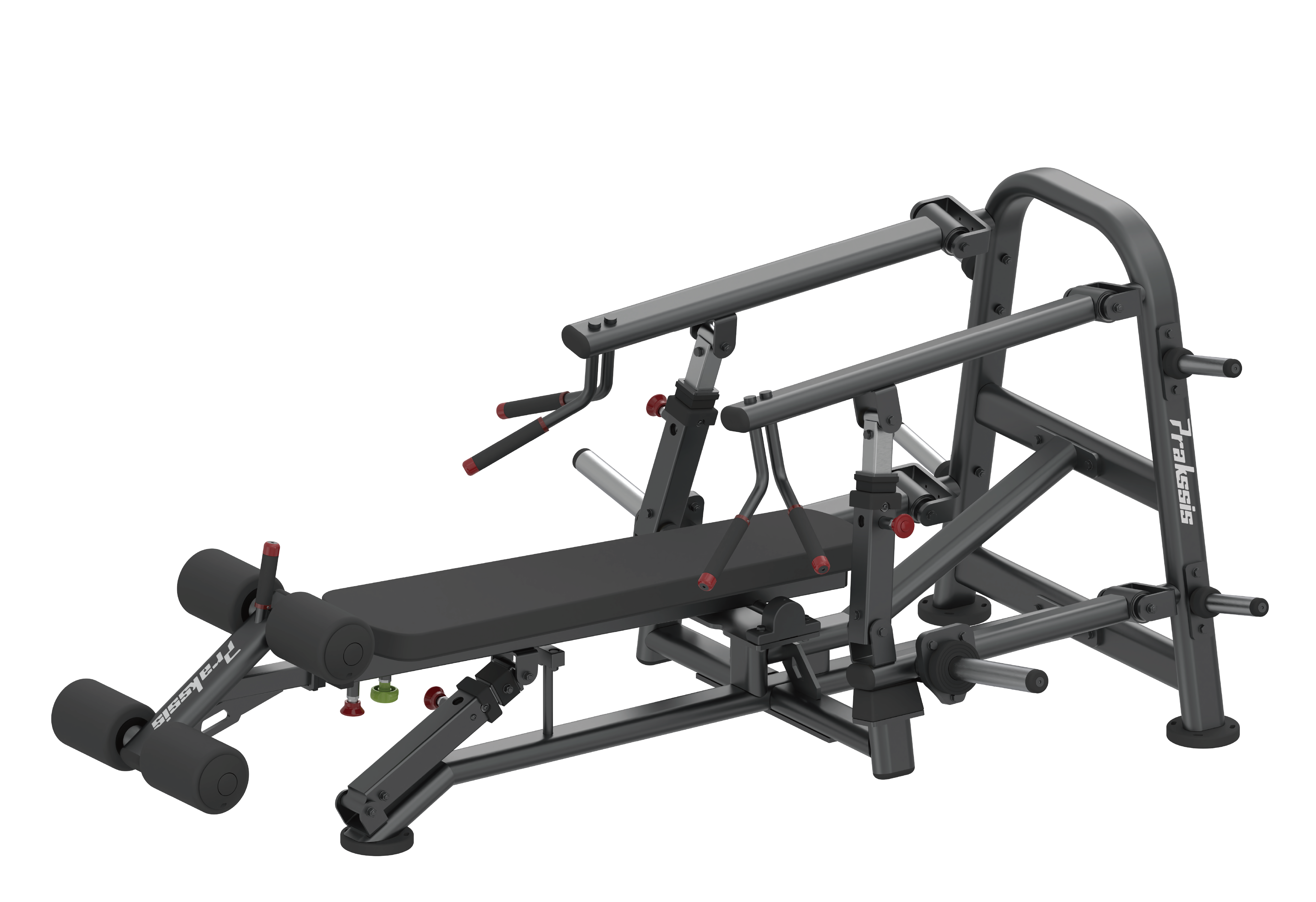
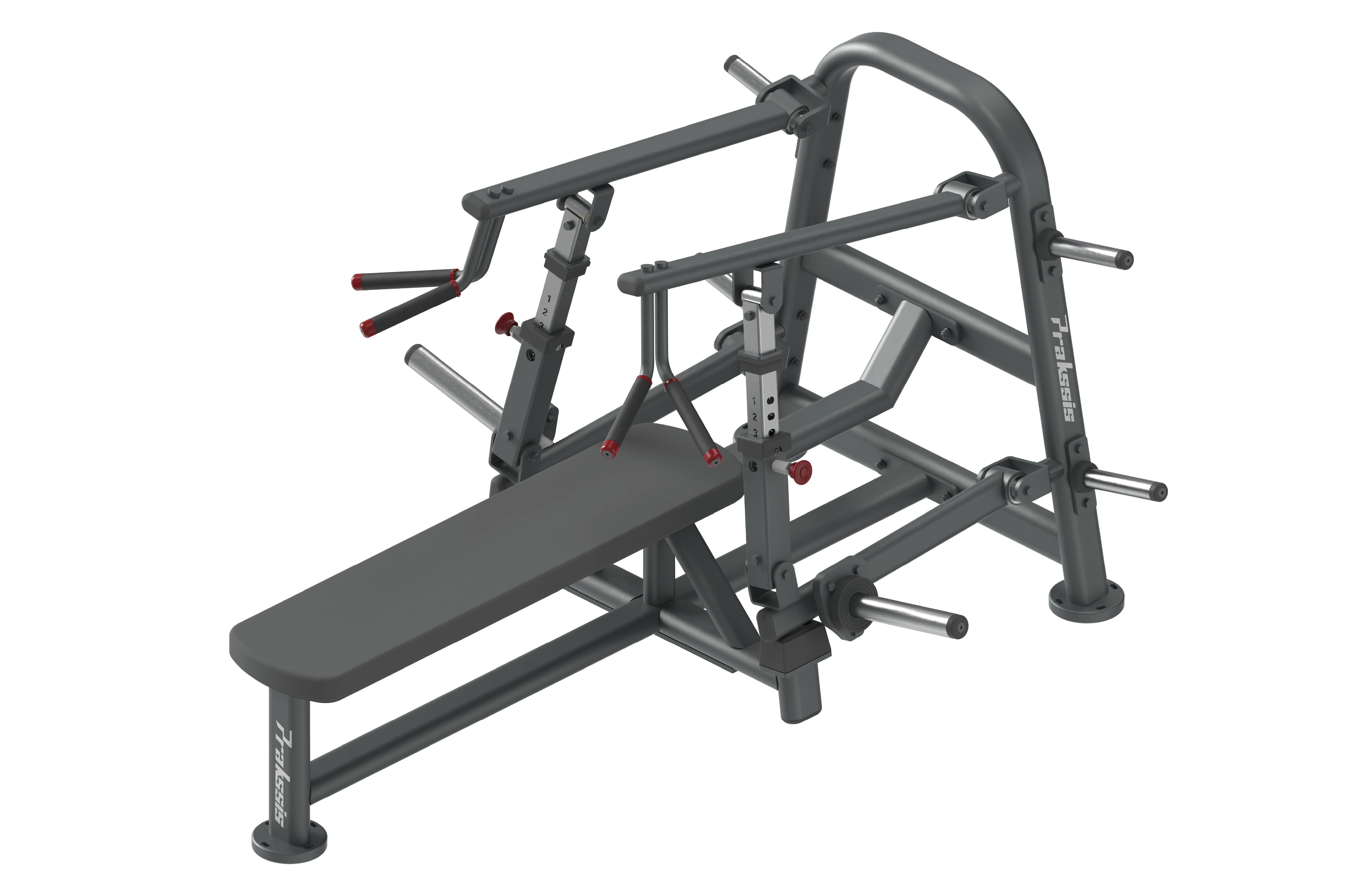
Plate loaded exercise equipment represents a fundamental category of strength training machines that utilize standard weight plates as resistance. This equipment forms the backbone of serious strength training facilities, offering gym owners and fitness enthusiasts a durable and cost-effective solution for building muscle and developing power. Unlike cable machines or selectorized equipment that use weight stacks, plate loaded exercise equipment requires users to manually add Olympic or standard weight plates onto designated pegs or horns. This traditional approach to resistance training connects modern gym-goers with time-tested strength building principles while delivering exceptional value and versatility. The main functions of plate loaded exercise equipment encompass a comprehensive range of strength training movements including chest presses, shoulder presses, leg presses, rowing motions, and various isolation exercises. Each machine targets specific muscle groups with biomechanically optimized movement patterns that promote natural joint alignment and reduce injury risk. The technological features of contemporary plate loaded exercise equipment include precision-engineered pivot points, ergonomic seat adjustments, contoured padding, and robust steel frame construction. Manufacturers integrate advanced metallurgy and welding techniques to create equipment capable of withstanding decades of heavy commercial use. Many designs incorporate adjustable starting positions, multiple grip options, and customizable footplates to accommodate users of different sizes and training preferences. Applications for this equipment extend across commercial gyms, university athletic programs, military training facilities, professional sports teams, physical therapy clinics, and home gym installations. Personal trainers rely on plate loaded exercise equipment to provide clients with consistent resistance throughout full ranges of motion, while coaches use these machines to develop sport-specific strength in athletes. The equipment proves particularly valuable in settings where budget constraints exist, as the initial investment costs less than comparable selectorized machines while offering similar training benefits and superior longevity.


 EN
EN