commercial weight training equipment
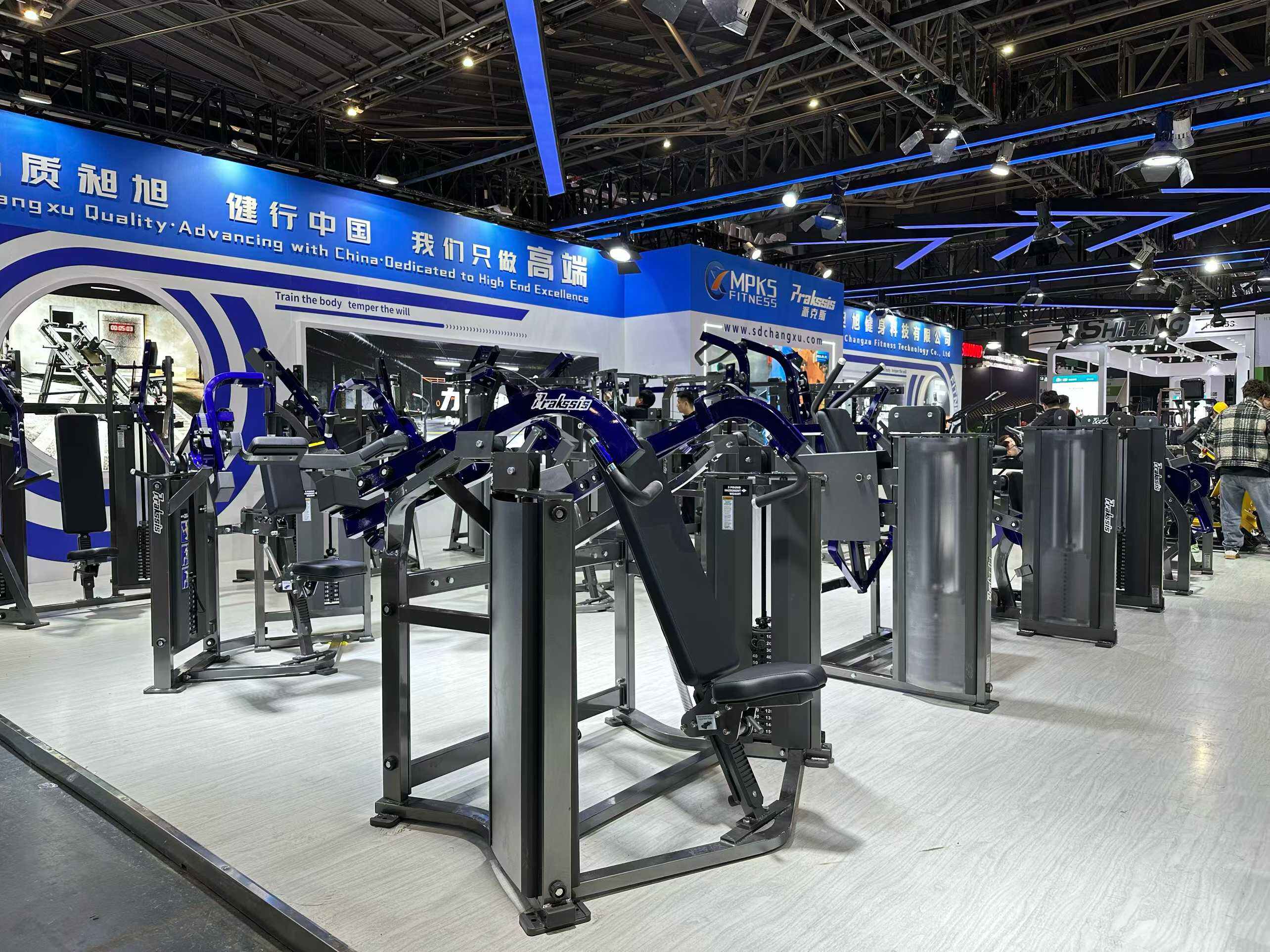
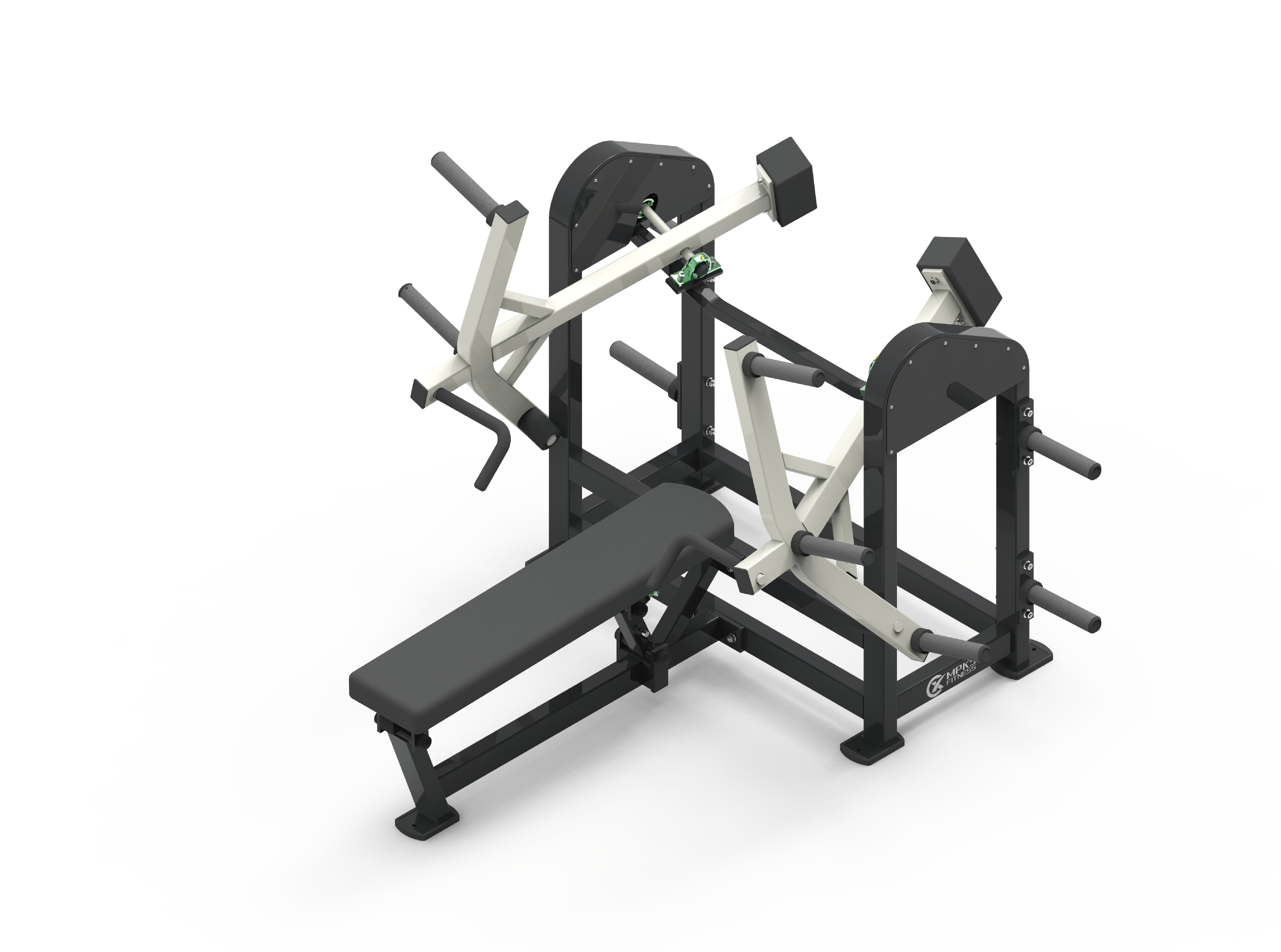
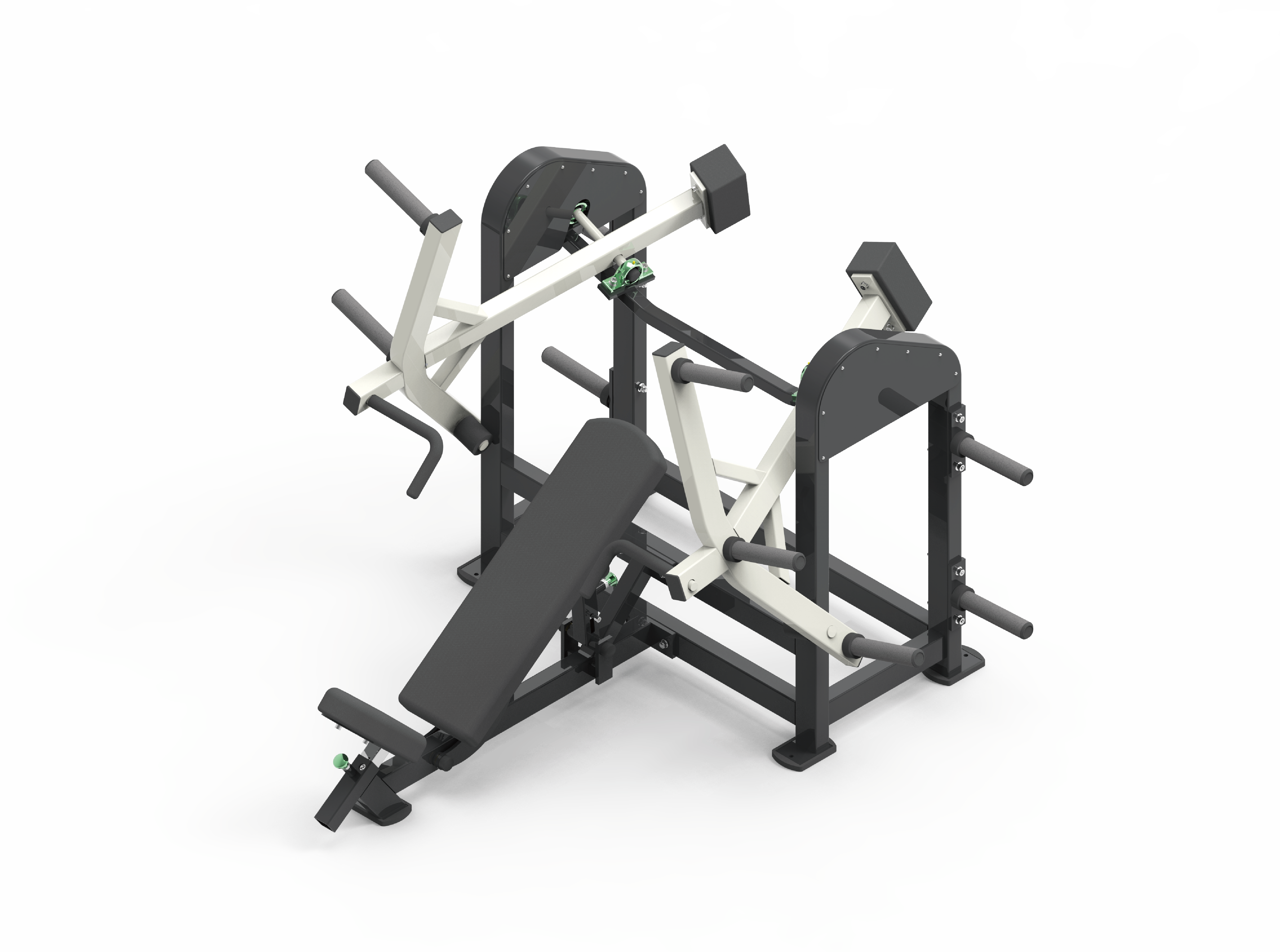
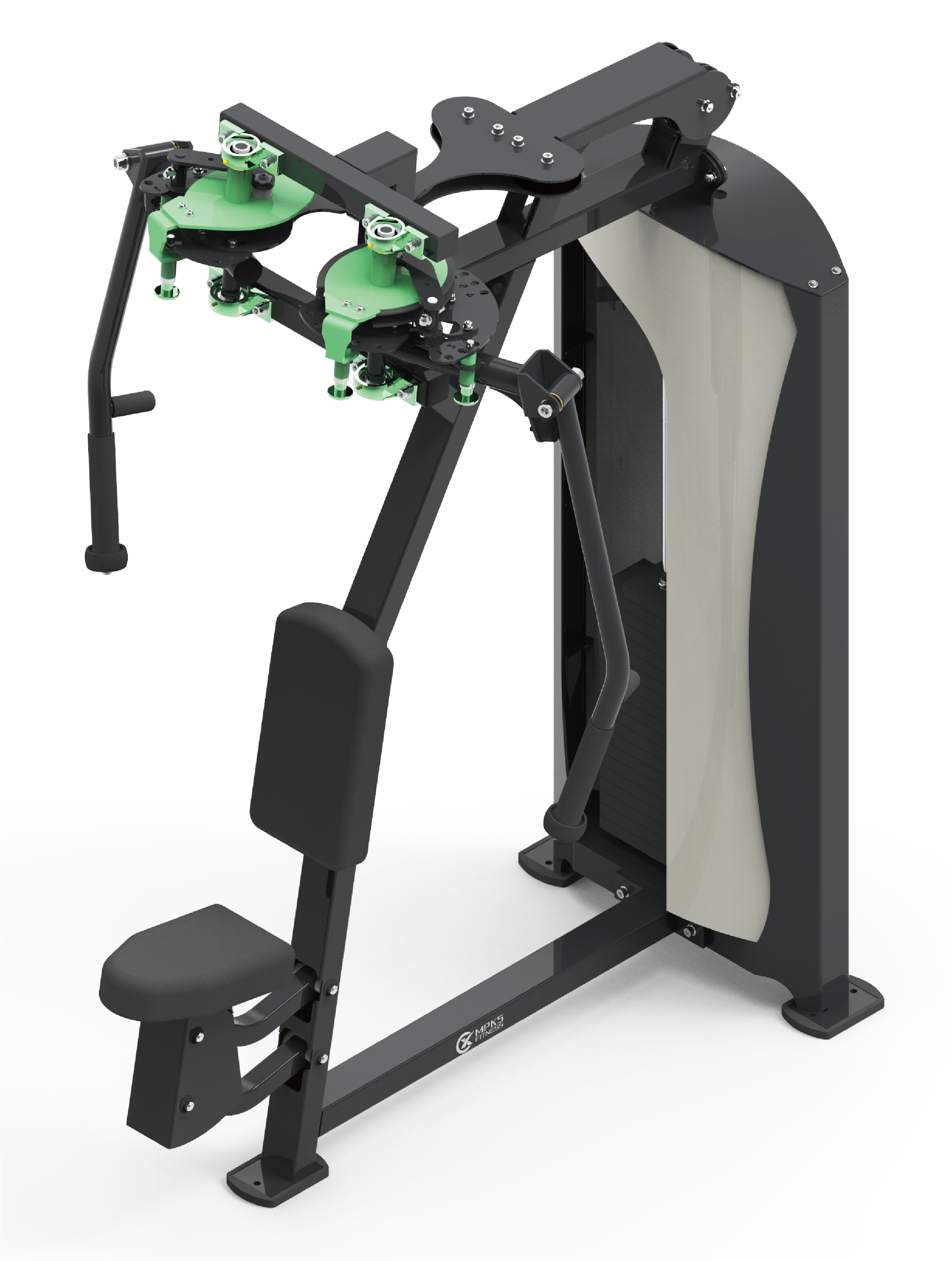
Commercial weight training equipment represents a comprehensive category of professional-grade fitness machinery designed specifically for high-traffic environments such as gyms, fitness centers, corporate wellness facilities, and rehabilitation clinics. This specialized equipment encompasses a diverse range of machines including plate-loaded systems, selectorized weight stacks, free weight platforms, power racks, smith machines, cable crossover stations, and functional training rigs. The primary function of commercial weight training equipment centers on providing safe, effective, and durable solutions for strength development, muscle building, body composition improvement, and functional fitness enhancement across users of varying skill levels. These systems incorporate advanced technological features including precision-engineered pulley mechanisms, ergonomic adjustment systems, biomechanically optimized movement paths, and heavy-duty construction standards that ensure consistent performance under intensive daily use. Modern commercial weight training equipment integrates user-friendly design elements such as intuitive weight selection mechanisms, clearly labeled exercise instructions, and adjustable components that accommodate different body types and anthropometric measurements. The applications of this equipment extend across multiple training methodologies including progressive resistance training, hypertrophy-focused workouts, strength and conditioning programs, sports performance enhancement, physical therapy protocols, and general fitness maintenance. Commercial-grade specifications distinguish this equipment from residential alternatives through superior materials such as industrial steel frames, commercial-grade upholstery resistant to wear and bacterial growth, precision bearings rated for millions of repetitions, and reinforced cable systems with significantly higher weight capacities. These machines support diverse exercise variations targeting major muscle groups including chest, back, shoulders, arms, legs, and core, while also enabling isolation exercises for specific muscle development and compound movements for functional strength. The robust construction and professional engineering standards ensure operational reliability, user safety, and long-term investment value for facility operators seeking equipment that maintains performance standards despite continuous high-volume usage patterns characteristic of commercial fitness environments.


 EN
EN