Comprehensive Exercise Variety and Universal Accessibility
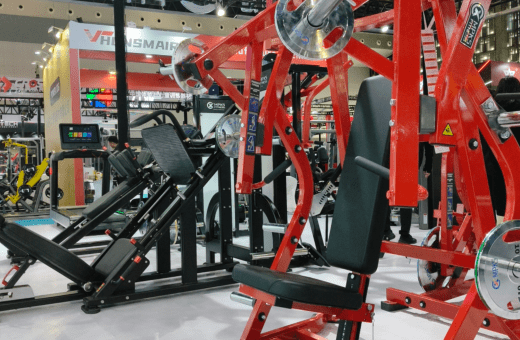
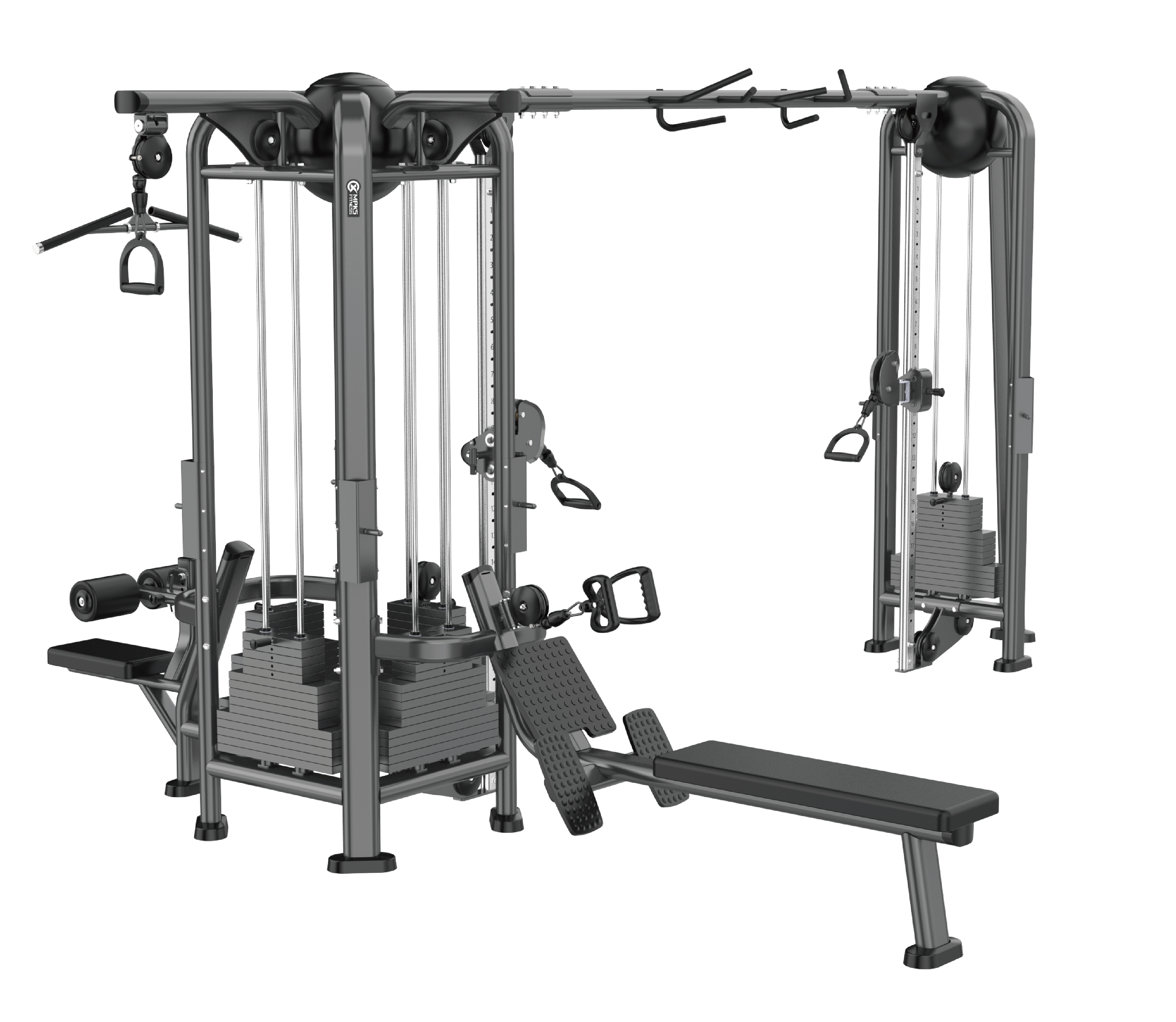
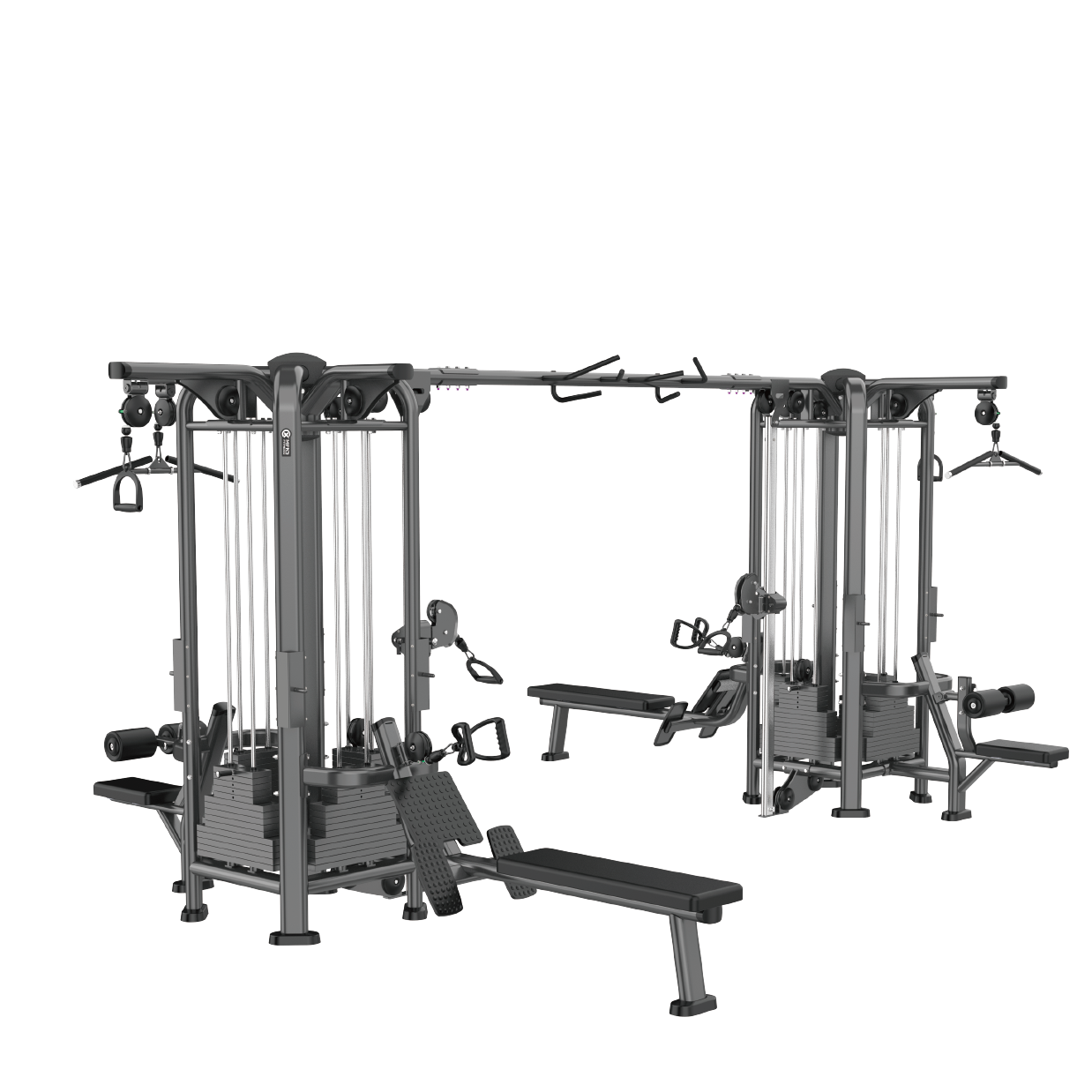
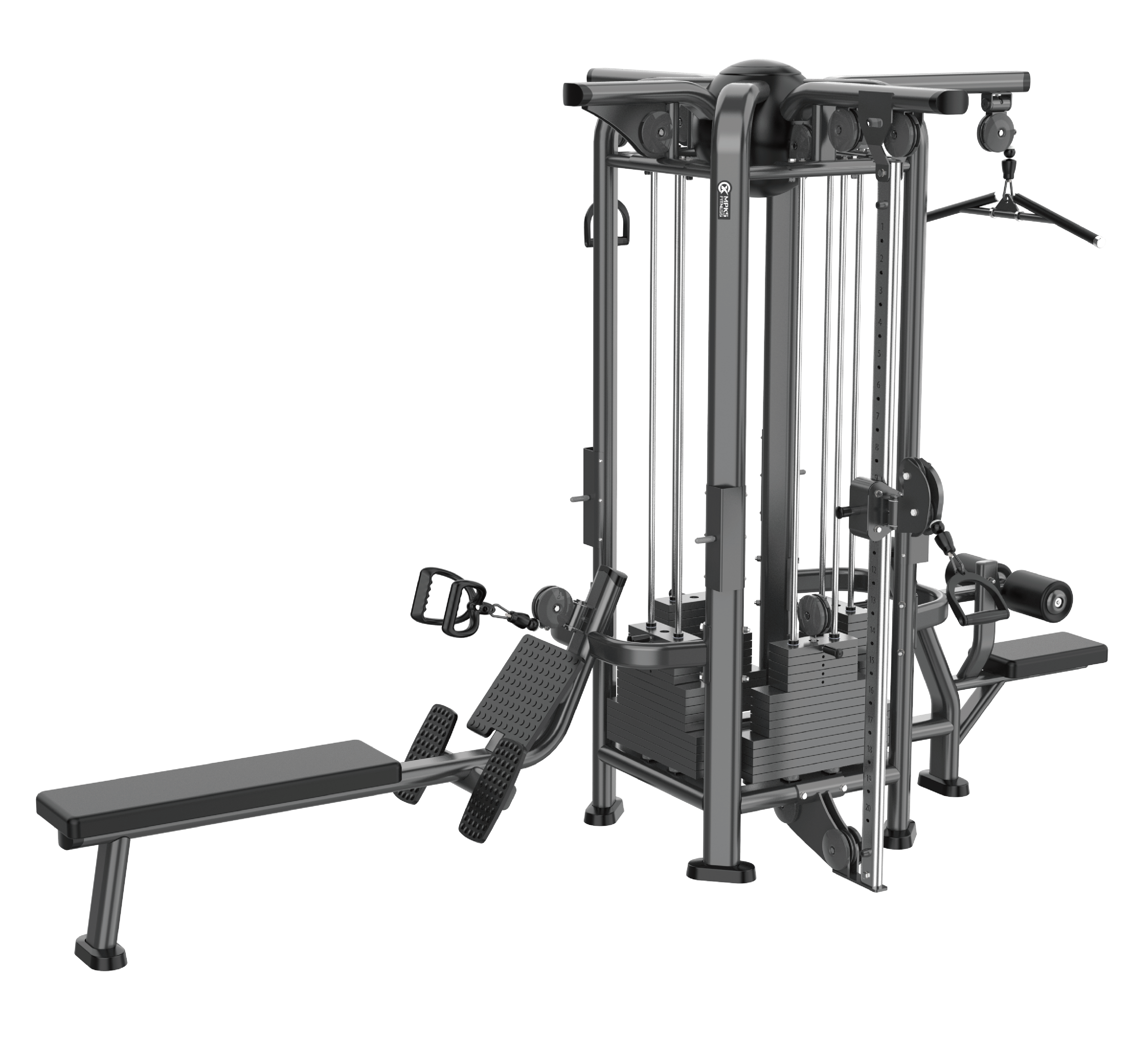
Commercial multi station gym equipment delivers an unparalleled combination of exercise variety and user accessibility that supports diverse populations and training objectives within a single integrated platform. The comprehensive station configuration typically includes chest press stations targeting pectorals and triceps, high pulley systems enabling lat pulldowns and tricep pressdowns, low pulley stations facilitating rowing movements and bicep exercises, leg extension and leg curl stations isolating quadriceps and hamstrings, and cable crossover capabilities supporting functional movement patterns. This extensive exercise selection ensures users can execute complete push-pull-legs training splits without requiring additional equipment, supporting progressive strength development across all major muscle groups. The biomechanical precision engineered into commercial multi station gym equipment ensures proper movement patterns that align with natural joint mechanics, reducing injury risk while maximizing muscle fiber recruitment and training effectiveness. Adjustable components accommodate users spanning from five feet to six feet six inches in height, ensuring proper positioning and alignment regardless of individual anthropometry. The intuitive operation characteristic of commercial multi station gym equipment eliminates intimidation factors that discourage novice exercisers from strength training, as clearly marked instructional placards, color-coded adjustment mechanisms, and self-explanatory movement patterns enable independent exercise without requiring extensive instruction. This accessibility advantage proves particularly valuable for facilities serving general populations rather than exclusively experienced athletes, as broader appeal directly correlates with improved membership acquisition and retention. Personal trainers appreciate the versatility of commercial multi station gym equipment for designing progressive client programs, as the variety of resistance angles and movement patterns enables creative exercise selection preventing monotony while systematically addressing individual goals. Group training applications benefit from the multi-user capacity, as trainers can efficiently supervise circuit-style workouts with participants rotating through stations at timed intervals, maximizing training density and social engagement. The universal design principles incorporated into commercial multi station gym equipment support inclusive fitness programming, as stable platforms, secure seating, and controlled movement patterns accommodate users with varying abilities, supporting rehabilitation protocols and adaptive fitness initiatives. Exercise variety extends beyond traditional strength training to encompass functional fitness applications, as cable systems enable rotational movements, unilateral exercises, and sports-specific training patterns that translate directly to athletic performance and daily living activities.

 EN
EN