Comprehensive Equipment Portfolio with Expert Curation
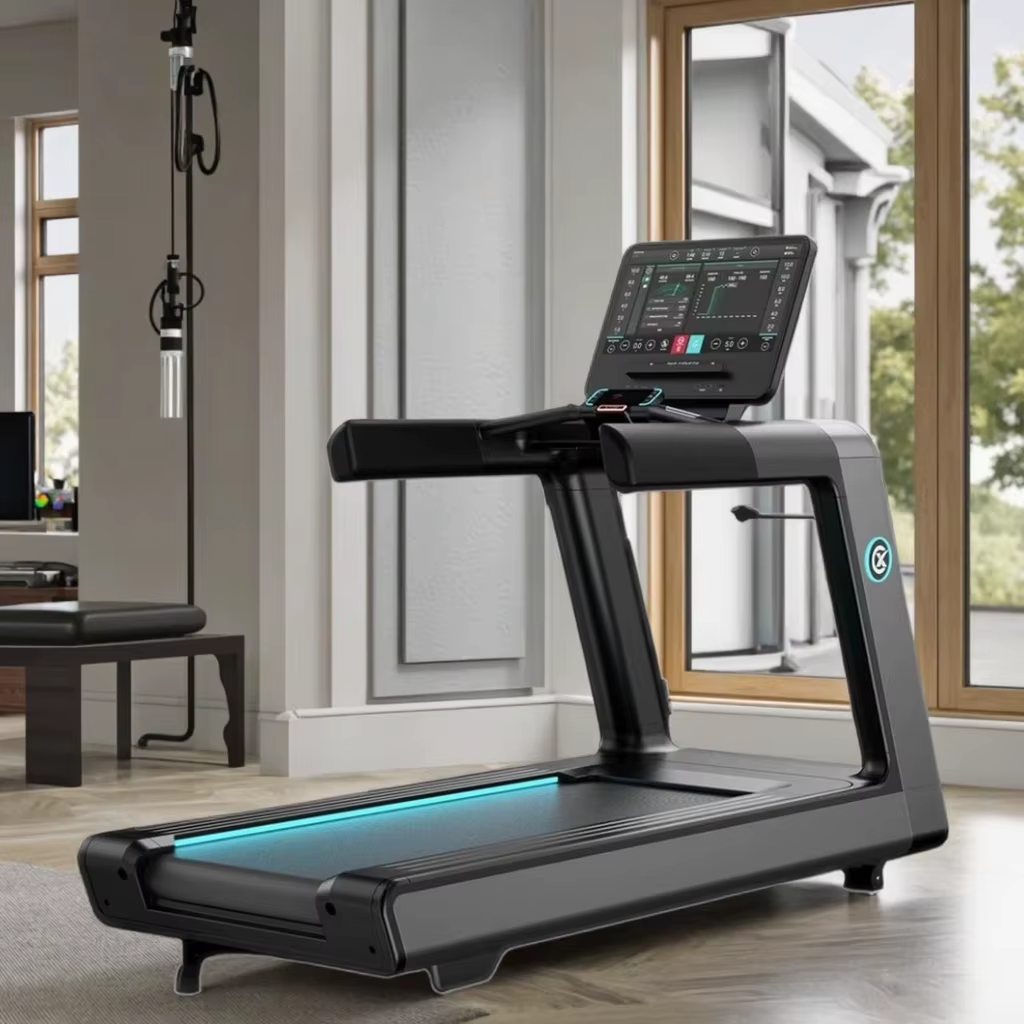
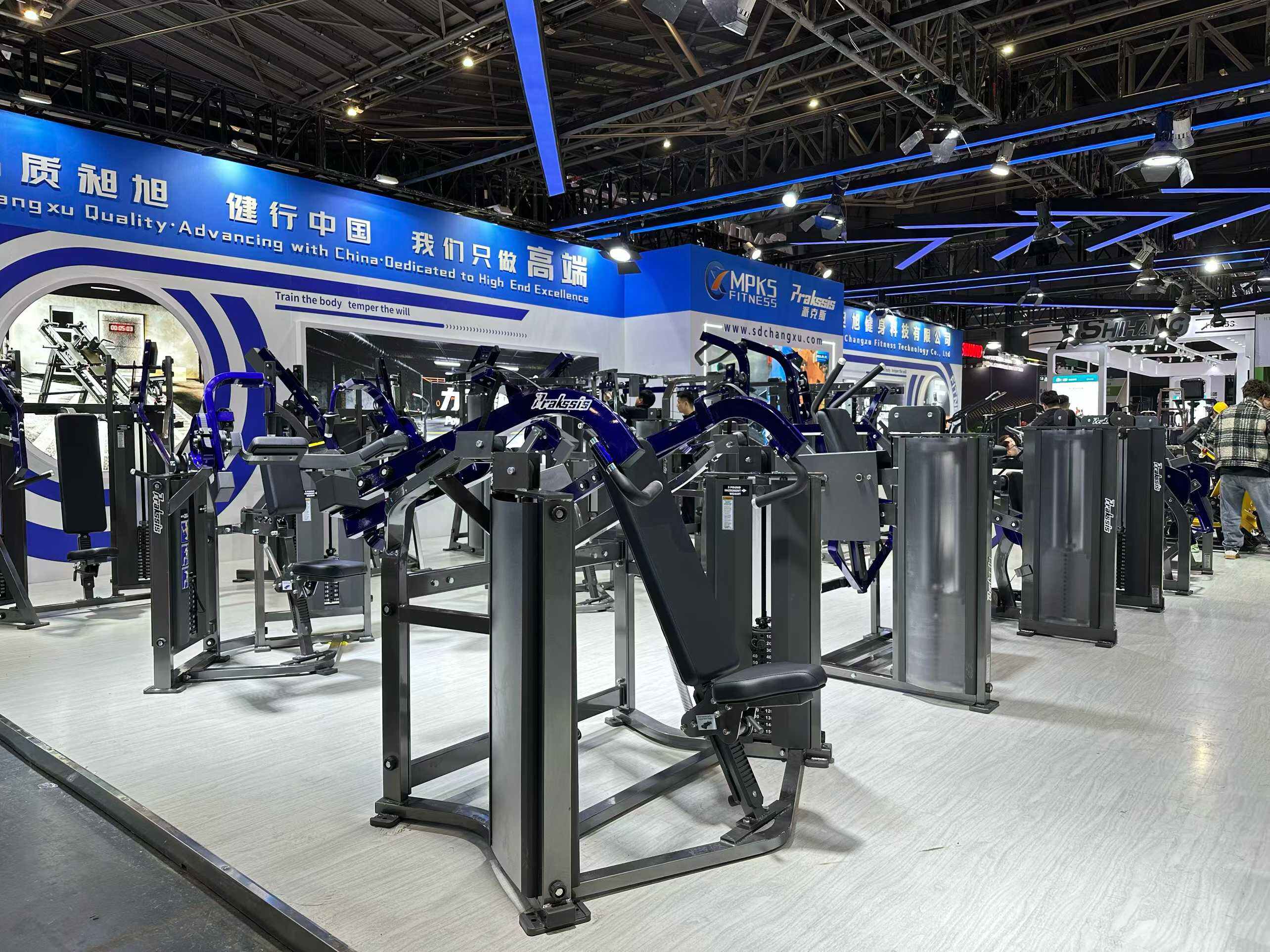
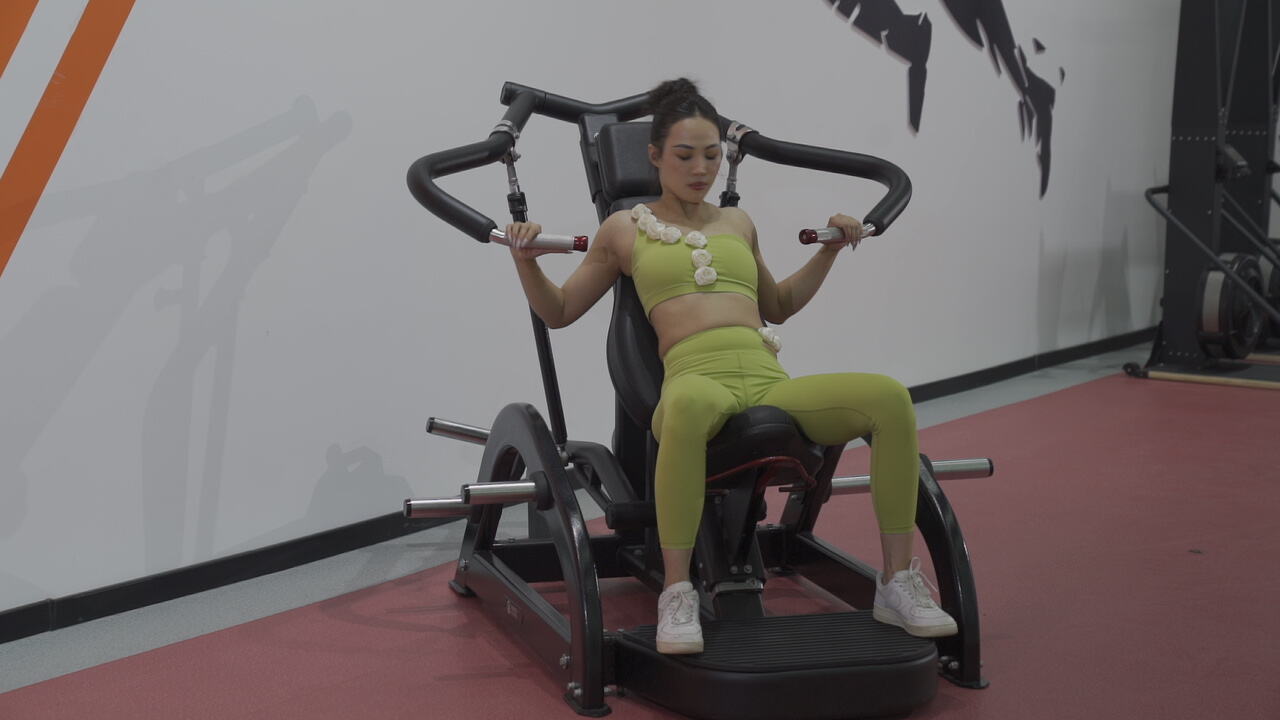
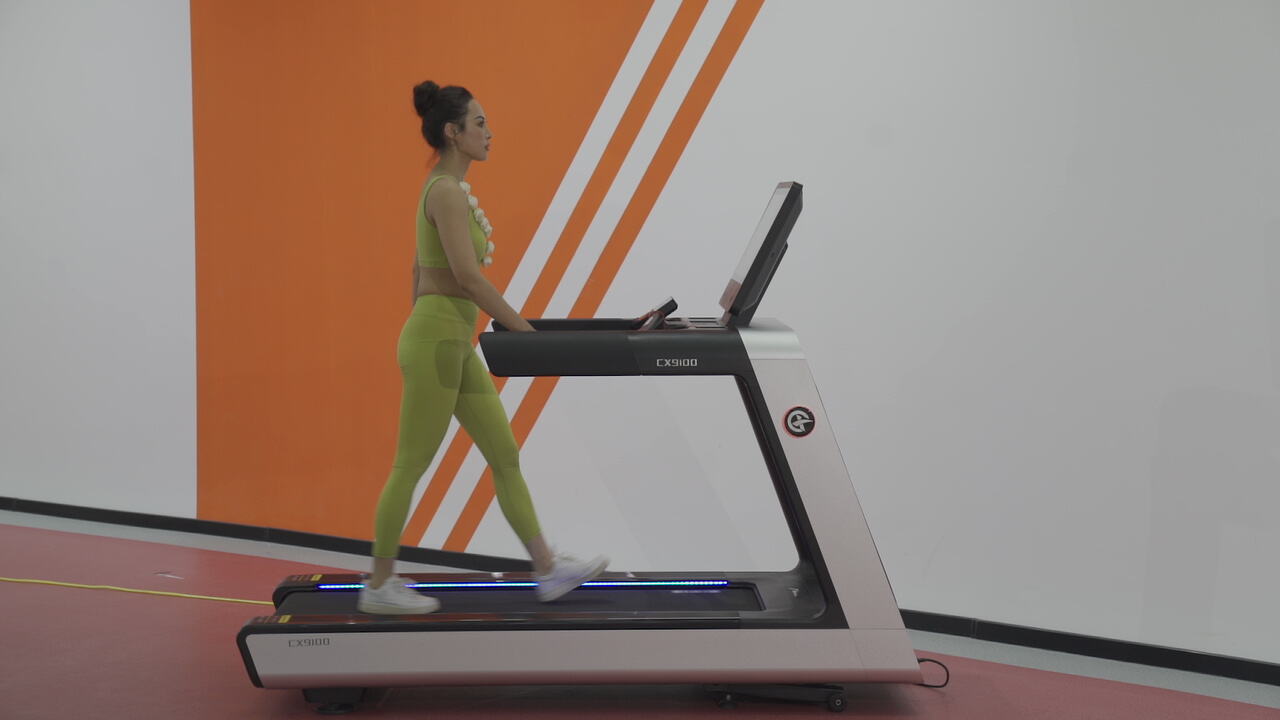
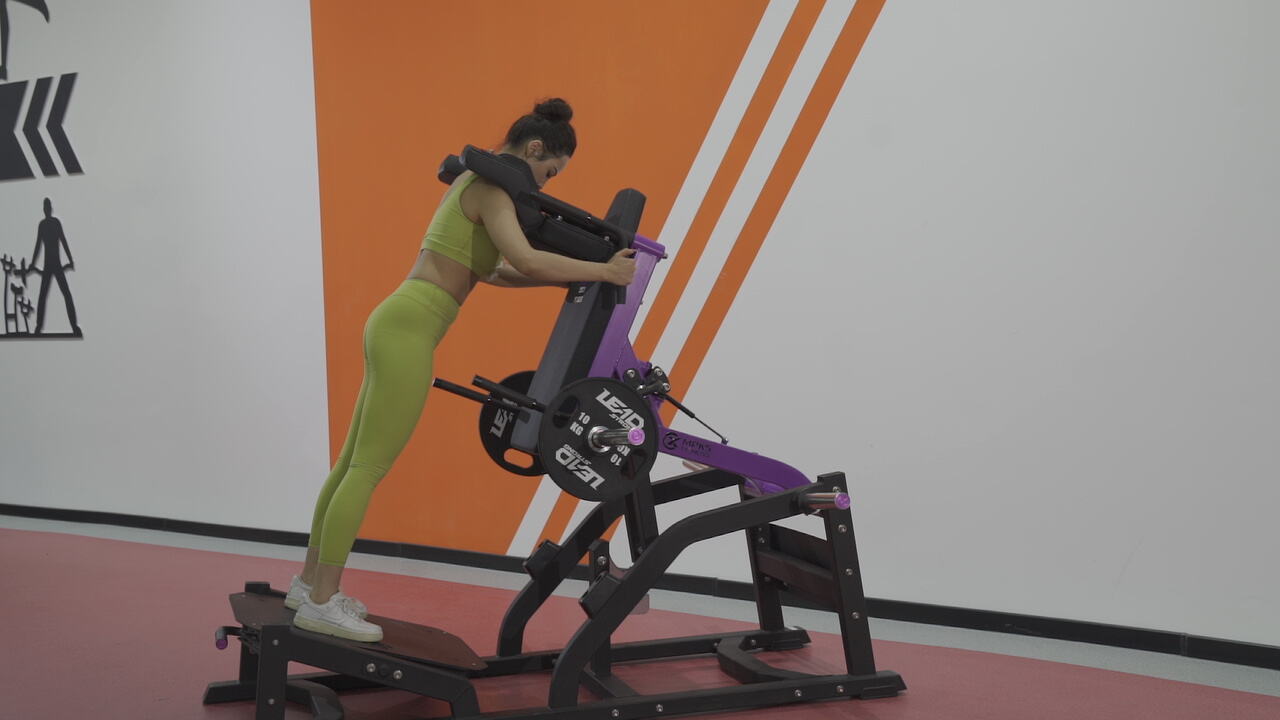
A distinguished commercial gym equipment supplier maintains an extensive and carefully curated portfolio that encompasses every category of fitness machinery required for professional facilities. This comprehensive selection includes cardiovascular equipment such as treadmills, ellipticals, stationary bikes, rowing machines, and stair climbers from multiple manufacturers, allowing facility owners to select products that match their specific performance requirements and budget constraints. Strength training equipment spans selectorized machines, plate-loaded apparatus, power racks, benches, and specialized stations designed for targeted muscle group development. Free weight sections receive equal attention with complete dumbbell sets, Olympic barbells, weight plates, kettlebells, and storage solutions that promote organization and safety. Functional training zones benefit from equipment like cable crossover machines, suspension trainers, medicine balls, resistance bands, battle ropes, and plyometric platforms that support diverse workout methodologies. The supplier's expertise extends to selecting equipment that balances durability, user experience, and maintenance requirements, ensuring every piece withstands intensive commercial usage patterns. They evaluate manufacturing quality through rigorous assessment criteria including frame construction, bearing systems, upholstery materials, and electronic component reliability. This vetting process protects buyers from substandard products that generate excessive maintenance costs and member complaints. Commercial gym equipment suppliers continuously update their portfolios to incorporate innovative technologies such as interactive touchscreens, virtual training programs, biometric tracking, and connectivity features that enhance user engagement. They identify emerging fitness trends and introduce corresponding equipment categories before market saturation occurs, giving forward-thinking facilities competitive differentiation opportunities. Their relationships with both established brands and innovative startups create access to exclusive products and preferential pricing structures. Buyers benefit from comparative analysis services where suppliers present multiple equipment options with detailed specification comparisons, user feedback summaries, and total cost of ownership projections. This transparent approach empowers informed decision-making based on objective criteria rather than marketing claims. The supplier's inventory management systems ensure product availability and minimize delivery delays that could disrupt facility launch schedules or renovation timelines. Their warehousing capabilities support rapid fulfillment for both large-scale orders and individual replacement needs, providing flexibility throughout the customer relationship lifecycle.


 EN
EN