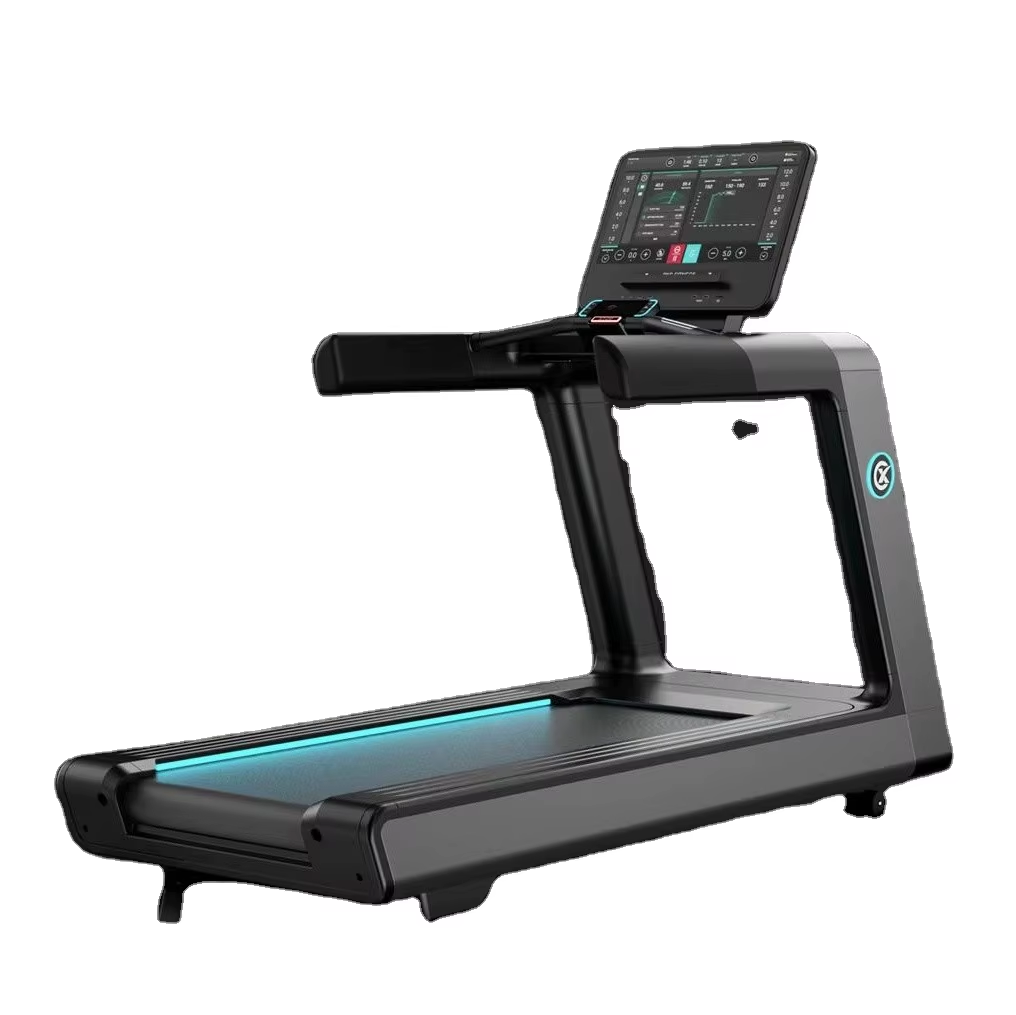
cable leg press
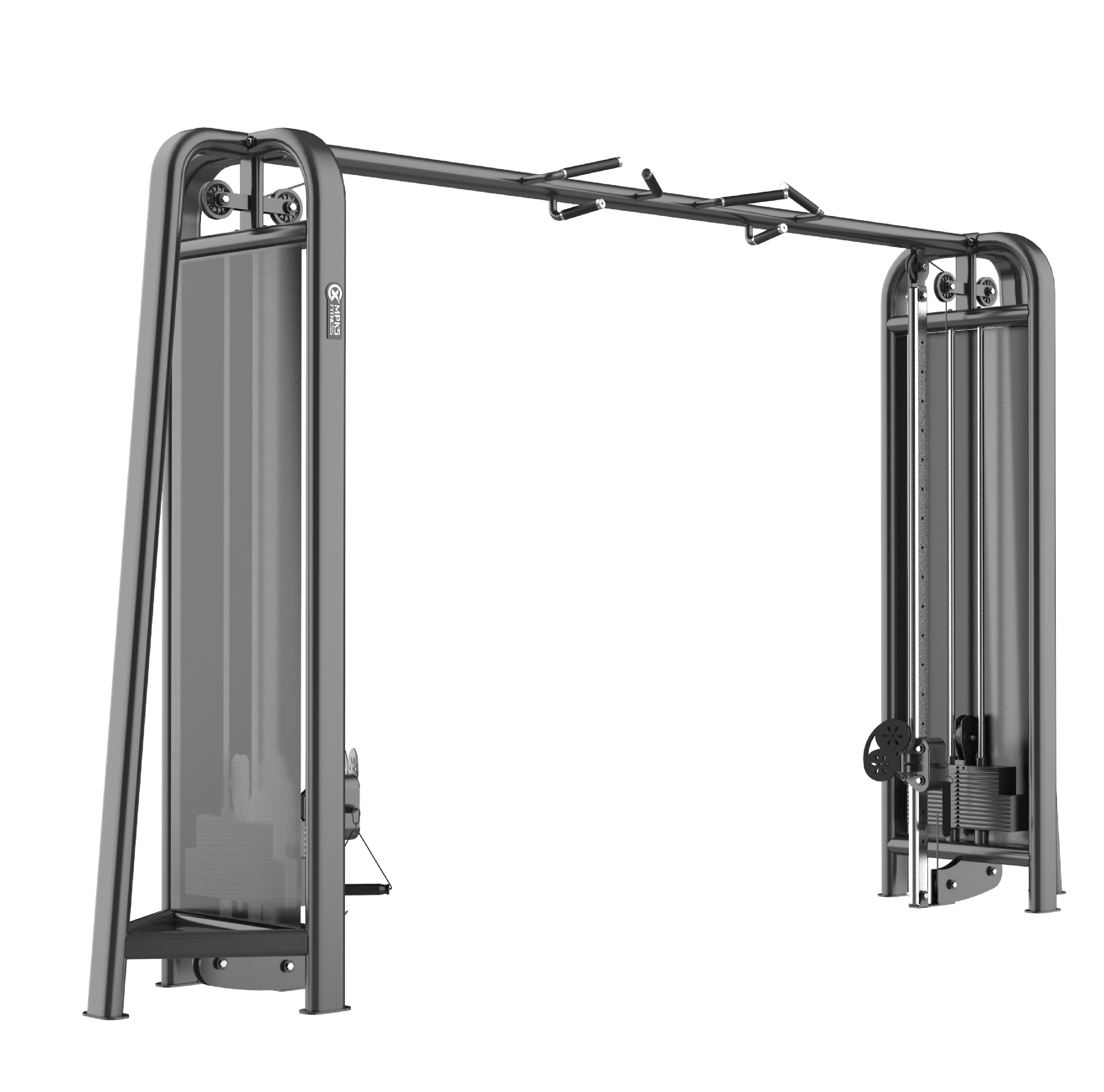
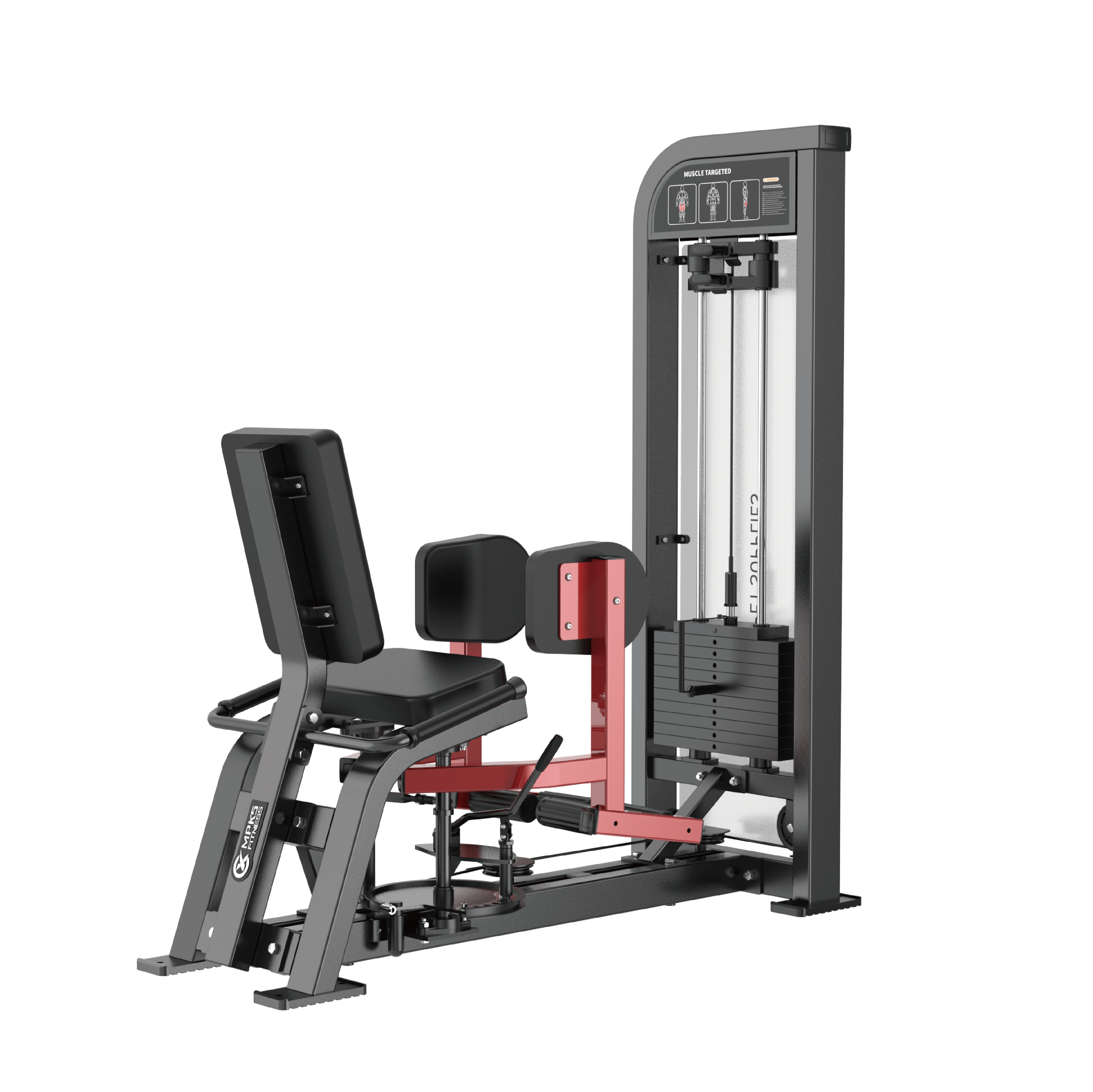
The cable leg press represents an innovative evolution in lower body strength training equipment, combining the precision of cable-based resistance systems with the fundamental mechanics of traditional leg press exercises. This advanced fitness machine utilizes a sophisticated pulley and cable mechanism to deliver smooth, consistent resistance throughout the entire range of motion, making it an exceptional choice for commercial gyms, rehabilitation centers, and serious home fitness enthusiasts. Unlike conventional plate-loaded or selectorized leg press machines, the cable leg press employs adjustable cable systems that allow users to experience variable resistance angles and customizable foot positioning options. The primary functions of this equipment include strengthening the quadriceps, hamstrings, glutes, and calves while simultaneously engaging core stabilization muscles. The technological features incorporated into modern cable leg press designs include precision-engineered pulleys with sealed bearings for silent operation, heavy-duty aircraft-grade cables rated for thousands of repetitions, ergonomically contoured back pads with multiple adjustment points, and commercial-grade weight stacks or plate-loading options. The applications of the cable leg press extend across multiple fitness domains, from athletic performance enhancement and bodybuilding to physical therapy and senior fitness programs. Athletes utilize this equipment to develop explosive leg power for sports performance, while rehabilitation specialists appreciate the controlled movement patterns that reduce joint stress compared to free-weight alternatives. The cable leg press accommodates users of varying heights and limb lengths through its adjustable components, ensuring proper biomechanical alignment during exercise execution. Additionally, the cable-based resistance system provides a unique advantage by maintaining constant tension on the muscles throughout both concentric and eccentric phases of movement, which promotes superior muscle fiber recruitment and metabolic conditioning compared to gravity-dependent resistance methods.



 EN
EN