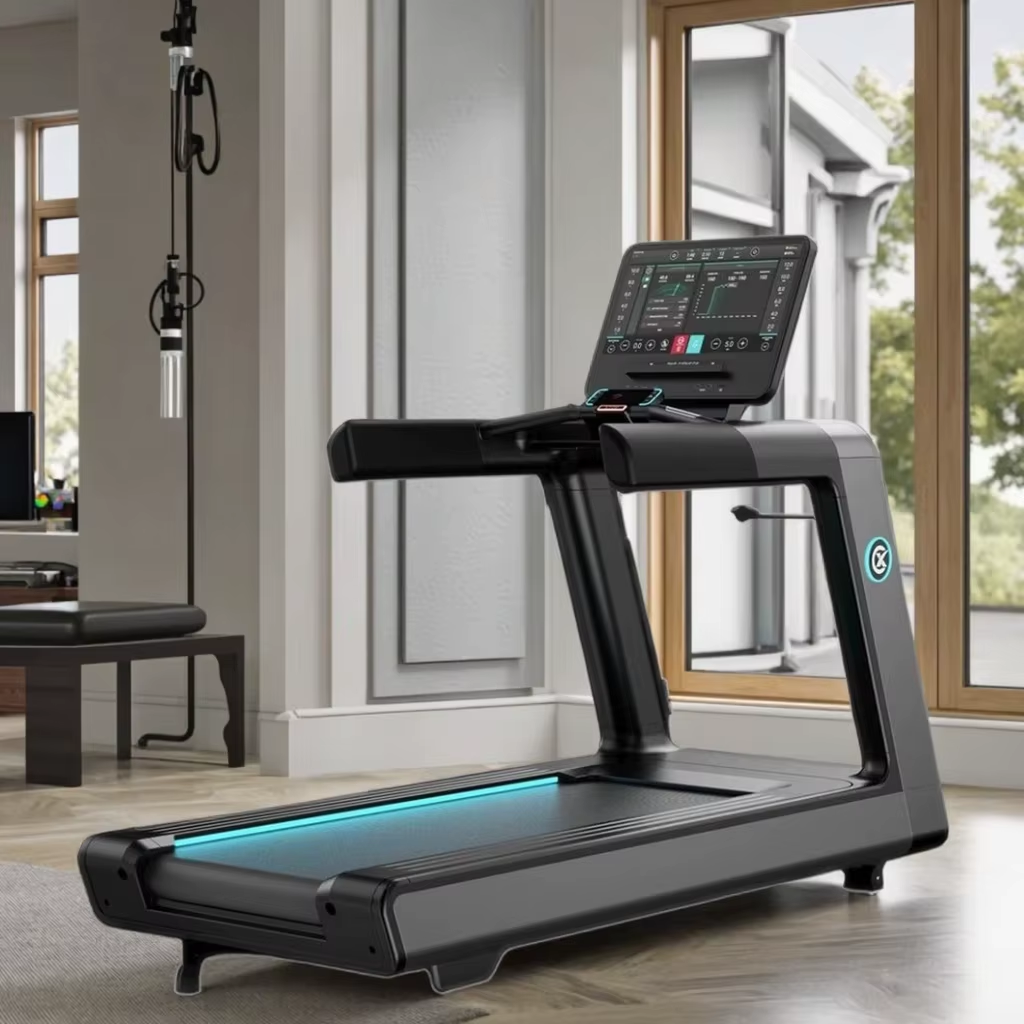
Kompleksowe funkcje bezpieczeństwa zapewniające pewność podczas szkolenia
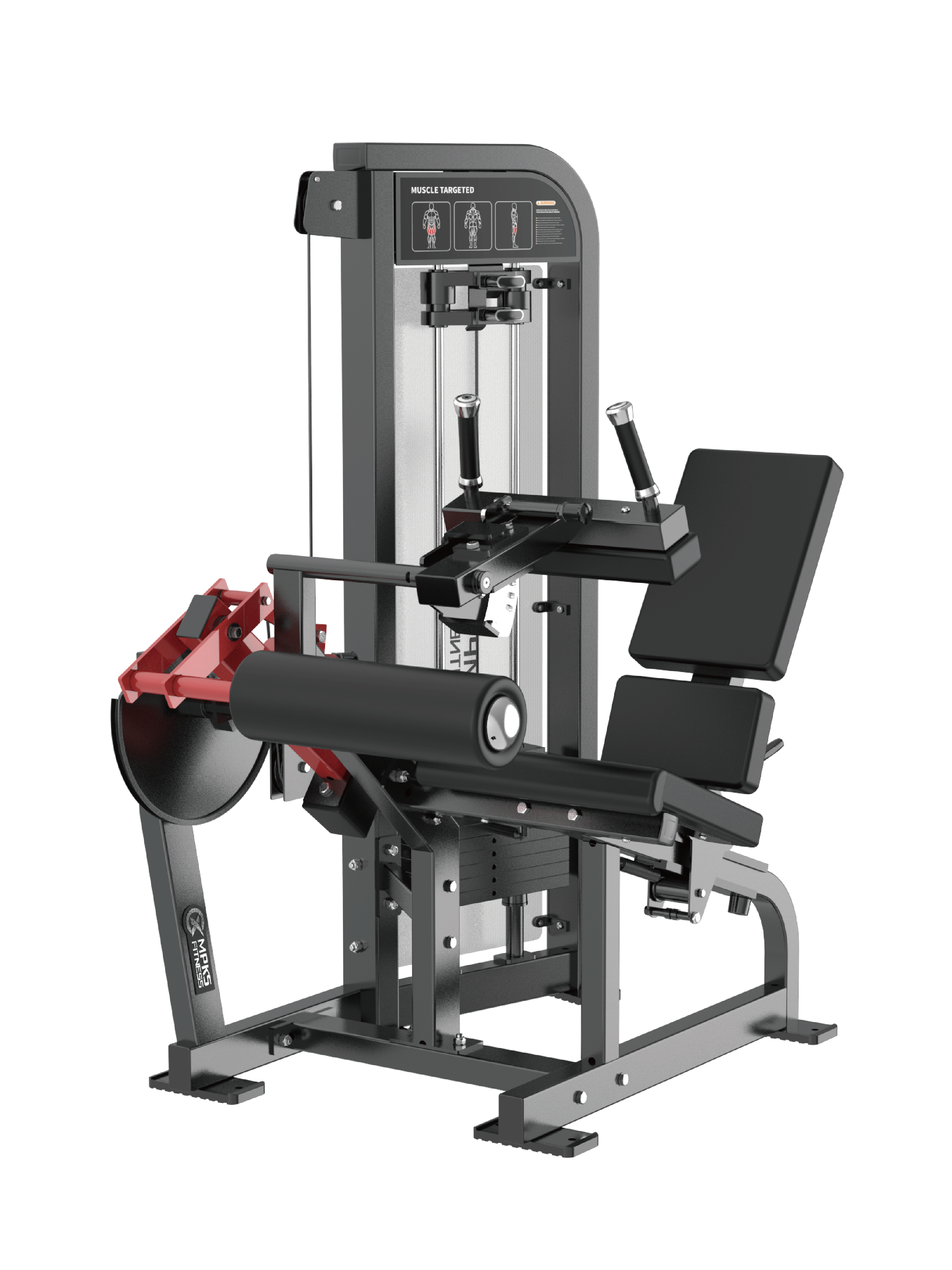
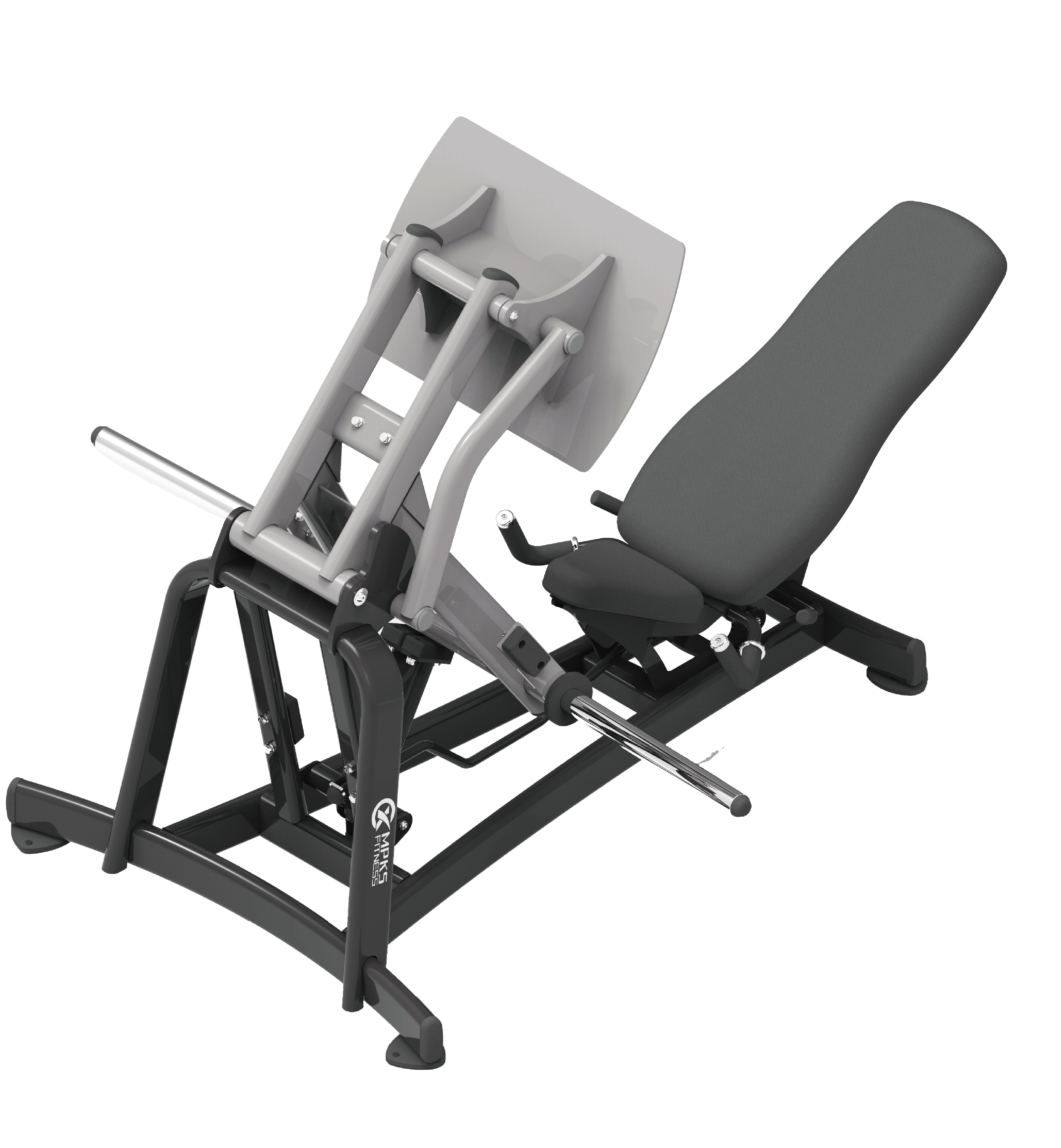
W filozofii projektowania każdej wysokiej jakości prasy do nóg na siłownię dominują względy bezpieczeństwa, które obejmują liczne, redundantne systemy ochronne, pozwalające użytkownikom trenować z maksymalną intensywnością, minimalizując jednocześnie ryzyko kontuzji. Podstawowy mechanizm bezpieczeństwa zazwyczaj obejmuje regulowane kołki blokujące lub ograniczniki zakresu, które użytkownicy mogą ustawić zgodnie ze swoją elastycznością i celami treningowymi. Zapobiegają one opadaniu sań poza ustaloną głębokość, co mogłoby naruszyć integralność stawów lub prawidłową technikę. Te ograniczniki okazują się nieocenione dla osób powracających do zdrowia po kontuzjach, które muszą ograniczyć zakres ruchu w fazie rehabilitacji, a także dla zaawansowanych ćwiczących, którzy wykonują częściowe powtórzenia, aby przeciążyć określone fragmenty wzorca ruchu. Wiele modeli prasy do nóg na siłownię posiada systemy blokujące, które automatycznie się uruchamiają, gdy użytkownik nie może wykonać powtórzenia, chwytając wózek z obciążeniem i zapobiegając jego upadkowi na ćwiczącego. Ta kluczowa funkcja bezpieczeństwa zapewnia poczucie bezpieczeństwa, zachęcając użytkowników do przekraczania swoich granic bez obawy przed uwięzieniem pod dużym obciążeniem, co jest realnym problemem wpływającym na intensywność treningu wielu bywalców siłowni. Kontrolowany mechanizm opuszczania wykorzystuje tarcie lub tłumienie hydrauliczne, które reguluje szybkość powrotu sanek do pozycji wyjściowej, zapobiegając gwałtownym upadkom, które mogłyby spowodować naciągnięcie mięśni lub urazy stawów, gdy użytkownicy zbyt gwałtownie rozluźnią napięcie w stanie zmęczenia. Proces wsiadania i wysiadania został starannie zaprojektowany, a wygodnie umieszczone uchwyty zwalniające pozwalają użytkownikom bezpiecznie wsiadać i wysiadać z obciążników z pozycji siedzącej, bez niewygodnego sięgania lub skręcania, co mogłoby prowadzić do wypadków. Przejrzyste tabliczki instruktażowe zamontowane na ramie urządzenia zapewniają wizualne wskazówki dotyczące prawidłowego użytkowania, procedur konfiguracji i protokołów bezpieczeństwa, gwarantując, że nawet początkujący użytkownicy będą w stanie prawidłowo obsługiwać prasę do nóg bez konieczności stałego nadzoru. Integralność strukturalna ramy została uzyskana dzięki zastosowaniu grubych elementów stalowych ze wzmocnionymi spawami w punktach naprężenia, zdolnych do wytrzymywania sił wielokrotnie większych niż normalne obciążenia robocze, co zapewnia znaczny margines bezpieczeństwa podczas użytkowania. Antypoślizgowe stopnie i punkty wsiadania ułatwiają bezpieczne wsiadanie i zsiadanie, co jest szczególnie ważne, gdy użytkownicy podchodzą do urządzenia z przemęczonymi mięśniami po poprzednich ćwiczeniach lub gdy pot wpływa na chwyt i stabilność. Korzyści w zakresie bezpieczeństwa obejmują mniejsze siły ścinające działające na stawy kolanowe w porównaniu do ćwiczeń takich jak prostowanie nóg, ponieważ wzorzec ruchu prasy do nóg w siłowni obejmuje skoordynowaną pracę wielu stawów, co rozkłada obciążenie w sposób bardziej naturalny na cały łańcuch kinetyczny, zamiast izolować wrażliwe struktury.




 EN
EN