Therapeutic Applications and Injury Prevention Benefits
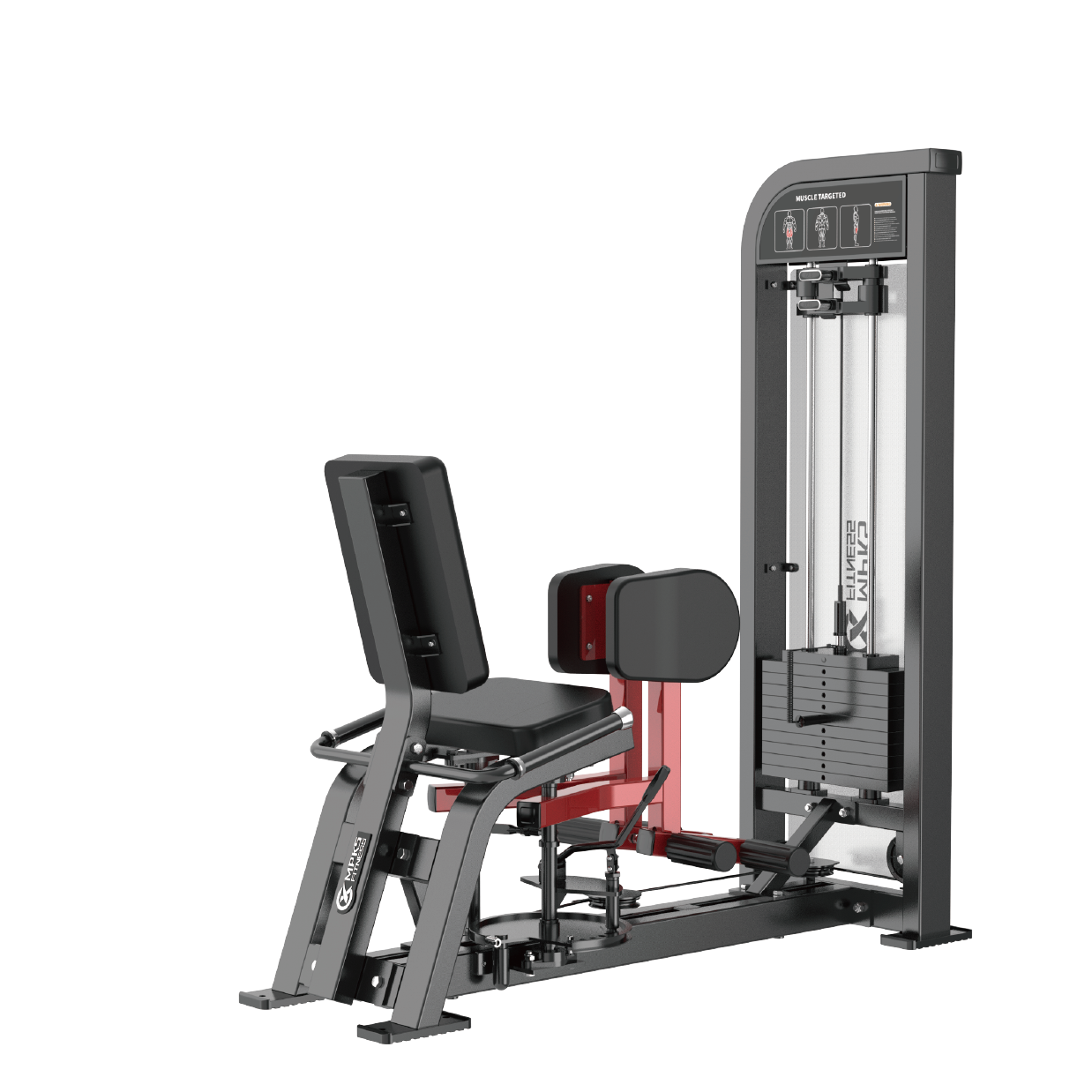
Beyond its obvious aesthetic and strength-building applications, inner thigh exercise equipment serves critical therapeutic functions that make it invaluable for rehabilitation specialists, physical therapists, and individuals recovering from lower body injuries or managing chronic conditions. The adductor muscle group plays essential roles in hip stability, pelvic alignment, and proper biomechanics during walking, running, and athletic movements, yet these muscles frequently become weakened through injury, surgery, or prolonged inactivity. Inner thigh exercise equipment provides a controlled, safe environment for rebuilding strength in these crucial muscles under conditions that minimize reinjury risk while supporting measurable progress. Physical therapy clinics regularly incorporate inner thigh exercise equipment into rehabilitation protocols for patients recovering from hip replacements, ACL reconstructions, groin strains, and various other lower extremity injuries. The ability to start with very light resistance and increase gradually in small increments allows therapists to precisely match exercise intensity to each patient's healing stage and pain tolerance. The stable, supported position eliminates balance challenges that could compromise safety during the vulnerable recovery period, while the guided movement pattern ensures patients perform the exercise correctly without developing compensatory movement habits that could lead to future problems. For athletes, weak adductor muscles represent a significant injury risk factor, particularly in sports involving rapid direction changes, lateral movements, or kicking actions such as soccer, hockey, basketball, and tennis. Regular training with inner thigh exercise equipment strengthens these muscles and improves their endurance, substantially reducing the incidence of painful groin pulls and adductor strains that can sideline athletes for weeks or months. The balanced strength development promoted by consistent use of inner thigh exercise equipment also helps prevent the muscle imbalances that contribute to knee pain, hip discomfort, and lower back problems by ensuring the inner thigh muscles adequately support their larger, more powerful neighbors like the quadriceps and gluteal muscles. Women recovering from pregnancy and childbirth find particular value in inner thigh exercise equipment as part of postpartum fitness programs, as strengthening the adductors contributes to pelvic floor recovery and helps restore the hip stability that often becomes compromised during pregnancy. Older adults benefit tremendously from regular training with inner thigh exercise equipment as part of fall prevention programs, since strong adductor muscles improve lateral stability and enhance the ability to catch oneself when balance is unexpectedly challenged. The low-impact nature of exercises performed on this equipment makes it appropriate even for individuals with arthritis or joint sensitivity who cannot tolerate high-impact activities but still need to maintain functional strength for independent living.


 EN
EN